Introduction
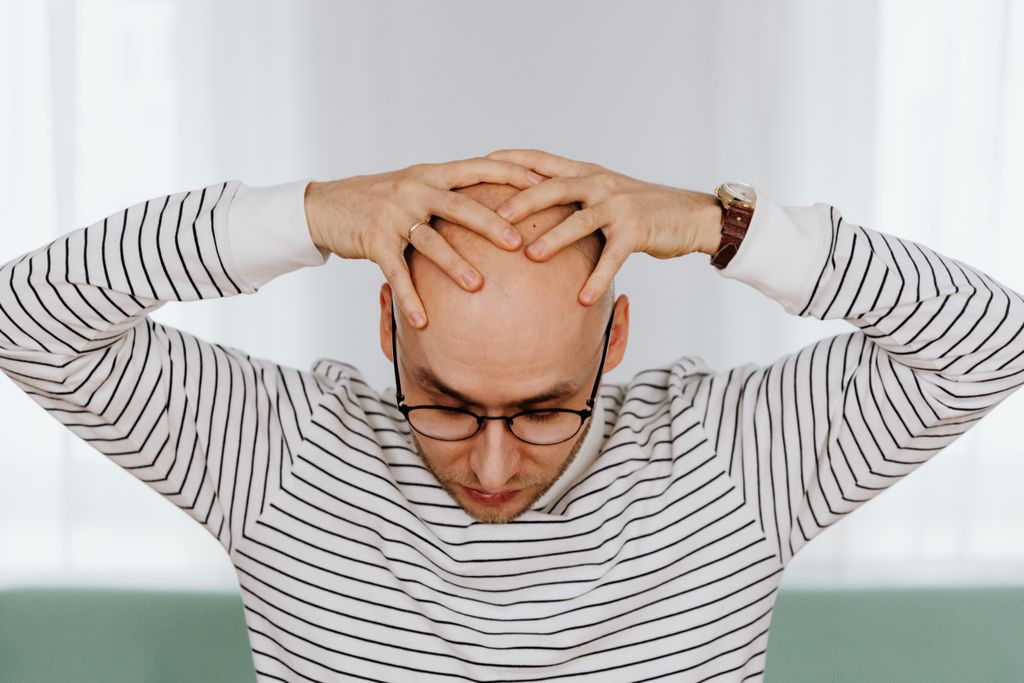
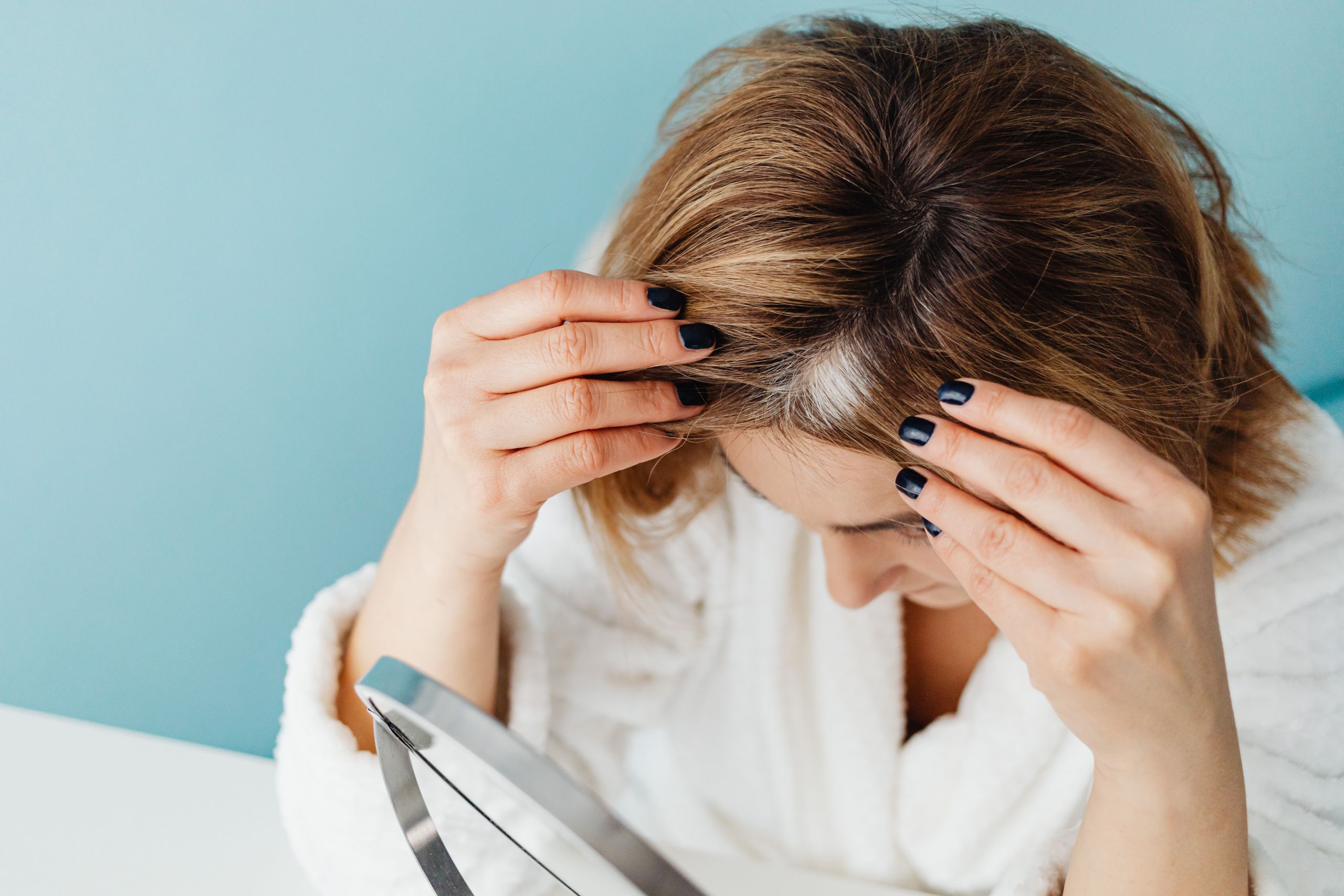
Hair loss is a common concern that can affect people of different ages. Losing some hair every day is normal because hair naturally grows, rests, sheds, and is replaced. However, noticeable thinning, bald patches, or sudden increases in shedding can sometimes indicate an underlying problem. Causes of Hair Loss
Hair loss can happen for many reasons. Genetics is one of the most common causes, but nutrition, stress, illness, hormonal changes, medications, scalp conditions, and certain hairstyles can also contribute.
Understanding the possible causes is important because different types of hair loss require different approaches. Some forms are temporary and may improve when the underlying trigger is addressed, while others can be long-lasting and may require professional treatment.Causes of Hair Loss
This guide explains the major causes of hair loss, warning signs to watch for, lifestyle factors that can affect hair health, and when it is appropriate to seek medical advice.
1. Normal Hair Shedding
Before discussing hair loss, it is important to understand normal hair shedding.Causes of Hair Loss
Hair goes through a natural growth cycle. Some hairs are actively growing while others are resting and eventually fall out. Finding a few hairs on a pillow, comb, shower floor, or clothing does not necessarily mean that someone is developing hair loss.
The concern arises when shedding becomes noticeably greater than usual, hair density decreases, or visible bald areas develop.
The pattern and duration of hair loss can provide useful clues about its possible cause.Causes of Hair Loss
2. Genetic Hair Loss
Genetic or hereditary hair loss is one of the most common causes of hair thinning.Causes of Hair Loss
In men, it is often called male-pattern hair loss. It commonly affects the hairline and crown, although the pattern can vary.
In women, hereditary hair loss often appears as gradual thinning over the top or central part of the scalp.
Genetic hair loss is influenced by inherited factors and sensitivity of hair follicles to hormones. It can develop gradually and may become more noticeable with age.Causes of Hair Loss
Because genetic hair loss can be progressive, early evaluation may help people understand their options.Causes of Hair Loss
3. Stress-Related Hair Shedding
Significant physical or emotional stress can sometimes trigger increased hair shedding. .Causes of Hair Loss
This type of shedding may occur after events such as:.Causes of Hair Loss
- A serious illness
- Major surgery
- Significant emotional stress
- Rapid changes in weight
- Severe nutritional deficiency
- Other substantial physical stress
The increased shedding may not appear immediately after the stressful event. It can become noticeable weeks or months later.
In many cases, hair growth can gradually recover after the underlying trigger is addressed, although the timeline varies.
4. Nutritional Deficiencies
Hair follicles require adequate nutrients to function normally..Causes of Hair Loss
Insufficient intake or absorption of certain nutrients can contribute to hair problems. Potential nutritional factors include inadequate iron, protein, zinc, or certain vitamins..Causes of Hair Loss
However, taking supplements without identifying a deficiency is not always helpful. Some nutrients can cause health problems when taken in excessive amounts..Causes of Hair Loss
A healthcare professional can determine whether testing for nutritional deficiencies is appropriate..Causes of Hair Loss
A balanced diet containing vegetables, fruits, whole grains, protein-rich foods, and other nutrient-dense foods is generally more useful than relying on unproven hair supplements.
5. Hormonal Changes
Hormones can influence hair growth.
Changes associated with conditions affecting the thyroid, reproductive hormones, or other endocrine systems can sometimes contribute to hair thinning.
Hormonal changes can occur at different stages of life and may be accompanied by other symptoms.
If hair loss occurs together with significant changes in energy, menstrual cycles, body temperature tolerance, skin changes, or other unusual symptoms, medical evaluation may be appropriate.
6. Thyroid Problems
The thyroid gland helps regulate many processes in the body..Causes of Hair Loss
Both an underactive thyroid and an overactive thyroid can sometimes be associated with hair changes.
Hair may become thinner or more fragile, and other symptoms may occur depending on the thyroid condition.
If thyroid problems are suspected, a healthcare professional can perform appropriate evaluation and blood testing.
7. Alopecia Areata
Alopecia areata is an autoimmune condition that can cause hair to fall out in distinct patches.
It occurs when the immune system mistakenly targets hair follicles..Causes of Hair Loss
The condition can affect the scalp and sometimes other areas of the body. Hair loss may occur suddenly and may range from small patches to more extensive loss.
Because alopecia areata has different patterns and courses, medical evaluation is recommended for unexplained patchy hair loss.
8. Scalp Infections
Certain scalp infections can affect hair follicles and cause temporary or permanent hair loss if untreated.
Fungal infections of the scalp can cause symptoms such as scaling, itching, inflammation, or areas of broken hair.
Other infections or inflammatory conditions can also affect the scalp..Causes of Hair Loss
A dermatologist or other healthcare professional can determine the cause and recommend appropriate treatment.
9. Scalp Inflammation and Skin Conditions
Conditions such as psoriasis, eczema, or other inflammatory scalp disorders can cause itching, scaling, redness, and irritation.
Severe or persistent inflammation can interfere with normal hair growth or cause people to scratch the scalp repeatedly.
Treating the underlying scalp condition can help protect hair and scalp health..Causes of Hair Loss
10. Tight Hairstyles
Repeatedly pulling the hair tightly can damage hair follicles..Causes of Hair Loss
Hairstyles that place continuous tension on the roots may contribute to a type of hair loss called traction alopecia.
Examples can include very tight ponytails, braids, extensions, or other styles that repeatedly pull on the scalp.
Reducing tension and varying hairstyles can help reduce mechanical stress on the hair..Causes of Hair Loss
If hair loss continues despite changing hairstyles, professional evaluation is advisable. .Causes of Hair Loss
11. Excessive Heat and Chemical Treatments
Frequent use of high heat from hair dryers, straighteners, curling tools, and similar equipment can weaken the hair shaft.
Chemical treatments such as bleaching, relaxing, perming, or repeated coloring can also cause hair damage.
It is important to distinguish hair breakage from hair loss originating at the follicle. Damaged hair may break along its length, creating the appearance of thinning without the follicle itself being affected.
Using heat carefully and avoiding excessive chemical processing can reduce damage.
12. Certain Medications
Some medications can cause hair shedding as a side effect..Causes of Hair Loss
The type and timing of hair loss depend on the medication and the individual..Causes of Hair Loss
Examples of medications that can sometimes affect hair include certain treatments for cancer, blood pressure, thyroid disorders, depression, and other medical conditions.
People should not stop prescribed medication because of hair loss without first discussing the issue with their healthcare professional. .Causes of Hair Loss
A doctor may be able to determine whether a medication is contributing and whether an alternative is appropriate.
13. Rapid Weight Loss
Rapid weight loss or severely restricting food intake can place stress on the body.
When the body does not receive enough energy or nutrients, hair growth may be affected.
People who experience hair shedding after significant weight changes should consider whether their diet provides adequate nutrition.
Extreme dieting is not a healthy solution for managing hair or body concerns. Sustainable nutrition and professional guidance are preferable.
14. Protein Deficiency
Hair is primarily made of a protein called keratin.
Very low protein intake can therefore affect hair growth in some circumstances.
People following restrictive diets should pay attention to obtaining adequate protein and other nutrients from appropriate food sources.
Those with special dietary requirements can consult a qualified dietitian or healthcare professional for individualized advice.
15. Iron Deficiency
Iron deficiency can sometimes be associated with hair shedding, particularly in people who have increased iron requirements or blood loss.
However, hair loss alone cannot establish that iron deficiency is present.
A healthcare professional can determine whether iron studies or other blood tests are appropriate.
Iron supplements should not be taken unnecessarily because excessive iron can also be harmful.
16. Certain Medical Conditions
Hair loss can sometimes occur alongside broader health conditions.
Examples may include autoimmune diseases, chronic illnesses, hormonal disorders, nutritional problems, and other systemic conditions.
If hair loss appears together with persistent fatigue, unexplained weight changes, skin changes, joint symptoms, fever, or other unusual symptoms, it is worth discussing with a healthcare professional.
17. Childbirth and Post-Pregnancy Changes
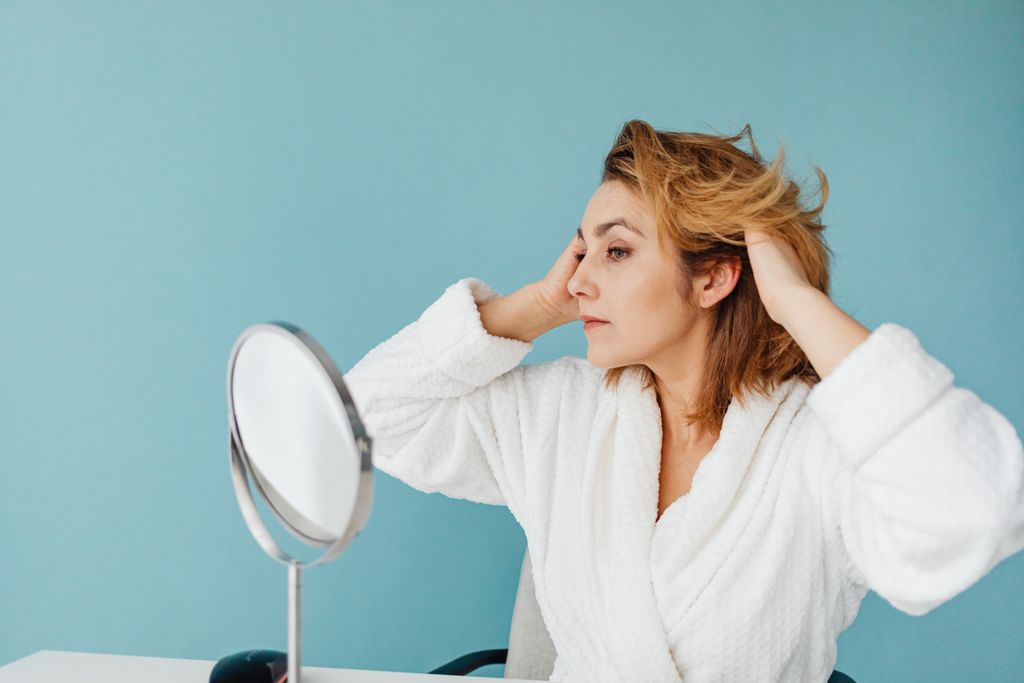
Some women experience increased hair shedding after giving birth.
Pregnancy changes hormone levels, which can temporarily affect the normal hair-growth cycle. After delivery, more hairs may enter the shedding phase.
This type of shedding is often temporary, and normal growth can gradually return.
However, persistent or severe hair loss should be evaluated, particularly when other symptoms are present.
18. Menopause and Aging
Hormonal changes associated with menopause can influence hair density and growth patterns.
Hair may gradually become thinner as people age, and genetic factors can also become more noticeable over time.
Aging-related changes are common, but sudden or patchy hair loss should not automatically be attributed to age.
19. Poor Hair-Care Practices
Hair care habits can affect the strength of the hair shaft.
Aggressive brushing, frequent pulling, harsh chemicals, excessive heat, and rough handling of wet hair can increase breakage.
Gentle handling can help reduce unnecessary damage.
Using suitable hair-care products and avoiding practices that cause pain or significant pulling can support scalp and hair health.
20. Smoking and Overall Lifestyle
Smoking can negatively affect overall health, and research has investigated associations between smoking and hair-related problems.
Other lifestyle factors, including poor sleep, chronic stress, inadequate nutrition, and physical inactivity, can also affect general health.
There is no single lifestyle change that prevents every type of hair loss, but healthy habits support the body’s overall functioning.
21. Hair Loss After Illness
Some people notice increased shedding after a significant illness.
High fever, major infections, hospitalization, surgery, or other physical stressors can temporarily alter the hair-growth cycle.
Hair shedding may appear after the illness rather than during it, which can make the connection difficult to recognize.
In many cases, the hair cycle gradually returns toward normal once the body recovers.
22. Genetic Factors and Family History
Family history can provide an important clue.
If close relatives experienced gradual hair thinning or pattern baldness, a person may have a higher likelihood of developing a similar pattern.
However, genetics is not the only factor. A dermatologist can examine the scalp and hair pattern to determine whether the loss appears hereditary or whether another condition may be involved.
23. How to Recognize Different Patterns of Hair Loss
The pattern of hair loss can provide useful information.
Gradual Thinning
Slow thinning over months or years may be associated with genetic hair loss or age-related changes.
Sudden Shedding
Rapid increases in hair shedding can occur after illness, major stress, nutritional problems, or hormonal changes.
Patchy Hair Loss
Round or irregular bald patches can occur with conditions such as alopecia areata or scalp infections.
Hair Breakage
Short broken hairs and split ends may indicate damage to the hair shaft rather than loss from the follicle.
Receding Hairline
A gradually changing hairline can be associated with hereditary pattern hair loss, particularly in men.
Because different conditions can produce similar appearances, diagnosis should not be based solely on online descriptions.
24. When Should You See a Doctor?
Not every case of hair shedding requires immediate medical attention. However, professional evaluation is recommended when hair loss is:
- Sudden or rapidly progressing
- Occurring in distinct patches
- Associated with scalp pain, redness, swelling, or severe itching
- Accompanied by scaling or sores
- Associated with significant fatigue or other unexplained symptoms
- Causing substantial concern
- Continuing despite changes in hair-care practices
A dermatologist can examine the scalp and determine whether further testing is necessary.
25. How Hair Loss Is Diagnosed
A healthcare professional may ask about your medical history, family history, medications, diet, recent illnesses, stress, and hair-care practices.
They may examine the scalp and hair pattern closely.
Depending on the suspected cause, testing may include blood tests or other investigations. In some situations, a dermatologist may perform additional scalp or hair examinations.
The goal is to identify the underlying cause rather than simply treating the visible symptom.
26. Treatment Depends on the Cause
There is no universal treatment for all types of hair loss.
For example, treatment for a scalp infection is different from treatment for hereditary hair loss. Nutritional deficiencies require a different approach from autoimmune hair conditions.
Possible management strategies may include treating an underlying medical condition, correcting a confirmed nutritional deficiency, changing damaging hair-care practices, or using medically appropriate treatments.
A dermatologist can help determine which options are suitable.
27. Be Careful With Hair-Growth Claims
The internet contains many products promising rapid hair growth.
Shampoos, oils, supplements, and other products may be marketed with impressive claims, but marketing does not necessarily mean a treatment is proven.
Be cautious about products promising guaranteed results, especially those recommending very large doses of supplements or unverified medications.
Evidence-based medical advice is generally safer than experimenting with multiple products.
28. Healthy Habits for Hair and Scalp
Healthy hair begins with overall health.
Useful habits include:
- Eat a varied, balanced diet.
- Get adequate protein and essential nutrients.
- Avoid unnecessarily restrictive diets.
- Handle hair gently.
- Avoid repeated tight hairstyles.
- Limit excessive heat and chemical processing.
- Manage stress in healthy ways.
- Get appropriate medical care for underlying conditions.
- Avoid unnecessary supplements.
- Seek professional advice for persistent or unexplained hair loss.
These habits cannot prevent every form of hair loss, particularly genetic and autoimmune conditions, but they can support general hair and scalp health.
Conclusion
Hair loss has many possible causes. Normal shedding, genetics, stress, nutritional deficiencies, hormonal changes, illness, medications, scalp conditions, tight hairstyles, and excessive hair treatments can all contribute to changes in hair density or shedding.
The most important step is identifying the underlying cause. Sudden, patchy, painful, or persistent hair loss should not simply be ignored or assumed to be normal aging.
A balanced diet, gentle hair care, healthy lifestyle habits, and appropriate medical evaluation can help support healthy hair and scalp function.
If you are concerned about significant hair loss, a dermatologist or qualified healthcare professional can assess your symptoms and help determine the most appropriate next steps.
Medical disclaimer: This article is for general educational purposes and does not provide a diagnosis or individualized medical treatment. Anyone experiencing sudden, severe, patchy, or persistent hair loss should consult a qualified healthcare professional.