Introduction
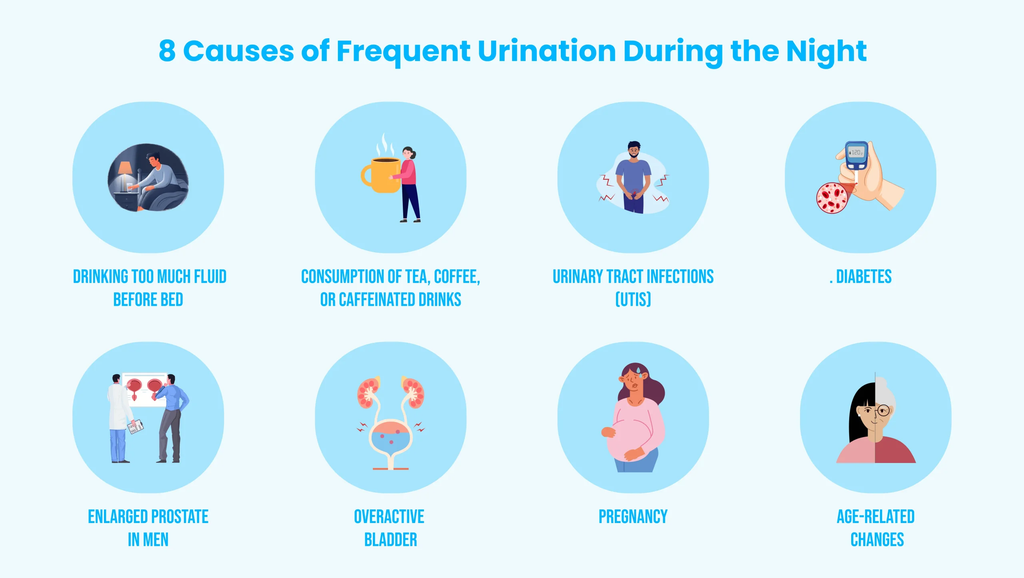
Frequent urination means needing to urinate more often than usual. For some people, it may happen occasionally after drinking a large amount of fluid, coffee, or other beverages. However, urinating frequently or feeling the need to urinate repeatedly without an obvious reason can sometimes be a sign of an underlying health issue.
There is no single number of bathroom visits that is considered normal for everyone. Urination frequency depends on factors such as fluid intake, medications, age, climate, physical activity, and overall health.
Frequent urination can occur during the day, at night, or both. It may happen with other symptoms such as a strong urge to urinate, burning or discomfort, difficulty starting urination, weak urine flow, excessive thirst, or changes in urine.
Understanding possible causes can help people recognize when they should seek medical advice.
1. Drinking Too Much Fluid
One of the simplest causes of frequent urination is drinking a large amount of fluid.
When you consume more fluids than your body needs at a particular time, your kidneys remove the excess water through urine. This can result in more frequent trips to the bathroom.
Drinking large quantities of water quickly can have the same effect. Increasing fluid intake is often appropriate during hot weather or physical activity, but excessive intake can make urination more frequent.
2. Caffeine
Caffeine is found in drinks such as coffee, tea, energy drinks, and some soft drinks.
Caffeine can increase urine production and may also make the bladder feel more active in some people. Someone who frequently drinks caffeinated beverages may therefore notice more frequent urination.
Reducing caffeine, particularly later in the day, may help some people determine whether it contributes to their symptoms.
3. Urinary Tract Infection
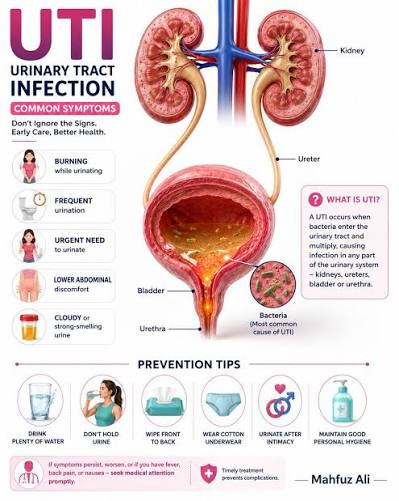
A urinary tract infection, commonly called a UTI, can cause frequent urination.
A person may feel a strong or urgent need to urinate even when only a small amount of urine is produced. Other symptoms can include burning or discomfort during urination, lower abdominal discomfort, or changes in urine.
A suspected UTI should be assessed by a healthcare professional because treatment depends on the cause.
Fever, back or side pain, vomiting, or feeling seriously unwell can require prompt medical evaluation because they may indicate a more significant infection.
4. Overactive Bladder
An overactive bladder can cause a sudden and difficult-to-control urge to urinate. People with this condition may urinate frequently during the day and may also wake during the night to urinate.
The causes of overactive bladder vary. Bladder training, lifestyle changes, pelvic-floor exercises, and medical treatments may be considered depending on the individual situation.
A healthcare professional can help determine whether symptoms are related to overactive bladder or another condition.
5. Diabetes
Frequent urination can sometimes be associated with diabetes.
When blood glucose levels become too high, the kidneys may remove some of the excess glucose through urine. This can increase urine production.
Other possible symptoms of diabetes include increased thirst, tiredness, blurred vision, or unexplained changes in weight.
Because diabetes can develop without obvious symptoms, persistent frequent urination may be a reason to discuss blood-glucose testing with a healthcare professional.
6. Enlarged Prostate in Men
In men, an enlarged prostate can contribute to urinary symptoms, particularly with increasing age.
The prostate surrounds part of the urethra. If it becomes enlarged, it can affect urine flow.
Possible symptoms include:
- Frequent urination
- Needing to urinate during the night
- Difficulty starting urination
- A weak or interrupted urine stream
- Feeling that the bladder has not completely emptied
- A sudden urge to urinate
These symptoms can have several possible causes, so they should be evaluated rather than automatically attributed to aging.
7. Certain Medications
Some medications can increase urination.
For example, diuretics are commonly used to help the body remove excess salt and water. People taking these medicines may therefore urinate more frequently.
Other medications can also influence urinary symptoms.
Never stop or change a prescribed medication without discussing it with the prescribing healthcare professional.
8. Pregnancy
Pregnancy can increase the need to urinate. As pregnancy progresses, physical changes can place additional pressure on the bladder.
Frequent urination during pregnancy is often normal, but burning, pain, fever, or other unusual symptoms should be discussed with a healthcare professional because urinary infections can occur during pregnancy.
9. Bladder Irritation
Certain foods and beverages may irritate the bladder in some people.
Potential triggers can include caffeine, carbonated beverages, spicy foods, and other individual dietary triggers.
Keeping a simple record of what you consume and when urinary symptoms occur can sometimes help identify patterns.
10. Constipation
Constipation can sometimes contribute to urinary symptoms because the bowel and bladder are located close to one another.
A large amount of stool in the bowel can put pressure on the bladder and affect normal bladder function.
Eating an appropriate amount of fiber, drinking adequate fluids, and maintaining regular physical activity can support healthy bowel function.
Persistent constipation should also be discussed with a healthcare professional.
11. Anxiety and Stress
Stress and anxiety can affect many normal body functions, including bladder habits.
Some people notice that they need to urinate more frequently during stressful situations. This does not mean that frequent urination should automatically be blamed on stress.
If urinary symptoms are persistent, severe, or accompanied by other symptoms, it is important to consider physical causes as well.
12. Neurological Conditions
The bladder is controlled by a complex network involving the brain, spinal cord, and nerves.
Certain neurological conditions can interfere with normal bladder control and may result in urgency, frequency, or difficulty emptying the bladder.
People who develop new urinary problems alongside neurological symptoms should seek medical evaluation.
13. Changes With Aging
Urinary patterns can change as people get older.
Men may experience prostate-related urinary symptoms, while both men and women can experience changes in bladder function.
However, frequent urination should not automatically be considered an unavoidable part of aging. New or worsening symptoms deserve appropriate evaluation.
Frequent Urination at Night
Frequent nighttime urination is called nocturia.
Occasionally waking to urinate can happen for many reasons, including drinking fluids close to bedtime. However, repeatedly waking several times every night can interfere with sleep and quality of life.
Possible contributors include excessive evening fluids, caffeine, certain medications, diabetes, bladder conditions, prostate problems, and some other medical conditions.
If nighttime urination happens regularly and disrupts sleep, discussing it with a healthcare professional can help identify the cause.
When Should You See a Doctor?
Frequent urination does not always indicate a serious problem, but persistent or unexplained symptoms deserve attention.
Consider speaking with a healthcare professional if you:
- Frequently need to urinate without an obvious reason
- Wake repeatedly at night to urinate
- Have pain or burning during urination
- Notice blood in your urine
- Have difficulty starting urination
- Have a weak urine stream
- Feel unable to empty your bladder
- Have unusual thirst or other possible diabetes symptoms
- Experience symptoms that are getting worse
Seek urgent medical care if urinary symptoms occur with severe illness, significant pain, fever, confusion, vomiting, or inability to pass urine.
How Frequent Urination Is Evaluated
A healthcare professional may ask about how often you urinate, how much fluid you drink, medications you take, and whether other symptoms are present.
Depending on the situation, evaluation may include a physical examination, urine testing, blood tests, or other investigations.
For men with urinary symptoms, a healthcare professional may also assess whether prostate problems could be contributing.
Keeping a bladder diary can sometimes be useful. You can record when you drink fluids, when you urinate, approximate urine amounts if practical, and any urgency or discomfort.
Lifestyle Habits That May Help
The best approach depends on the underlying cause, but several general habits may support bladder health.
Manage Caffeine
If caffeine appears to worsen symptoms, reducing coffee, tea, energy drinks, and other caffeinated beverages may help.
Avoid Excessive Evening Fluids
If nighttime urination is a problem, drinking very large amounts of fluid immediately before bedtime may make symptoms worse.
However, do not severely restrict fluids without medical advice.
Stay Physically Active
Regular physical activity supports overall health and may help with several conditions associated with urinary symptoms.
Maintain Healthy Bowel Habits
Preventing persistent constipation may reduce pressure on the bladder.
Keep Track of Symptoms
A record of urinary frequency, fluid intake, urgency, pain, and nighttime bathroom visits can provide useful information during a medical appointment.
Common Myths About Frequent Urination
Myth 1: Frequent urination is always caused by drinking too much water.
Not necessarily. Fluid intake is one possible cause, but infections, diabetes, medications, bladder conditions, prostate problems, and other factors can also contribute.
Myth 2: Frequent urination is always a sign of diabetes.
No. Diabetes is one possible cause, but there are many others.
Myth 3: Urinary problems are always a normal part of getting older.
Aging can influence urinary function, but persistent or worsening symptoms should still be evaluated.
Myth 4: You should stop drinking water to prevent frequent urination.
Severely restricting fluids can be harmful. Fluid needs vary, and people should follow appropriate medical advice.
Prevention and Long-Term Bladder Health
Not every cause of frequent urination can be prevented, but healthy lifestyle habits can support overall urinary and general health.
These habits include maintaining a balanced diet, staying physically active, avoiding tobacco, managing blood sugar and blood pressure when appropriate, drinking fluids sensibly, and attending recommended health checkups.
People with ongoing urinary symptoms should focus on identifying the underlying cause rather than simply trying to suppress the symptom.
Conclusion
Frequent urination can have many causes, ranging from simple factors such as drinking large amounts of fluid or consuming caffeine to conditions such as urinary infections, diabetes, overactive bladder, or prostate-related problems.
The meaning of frequent urination depends on the person’s normal pattern and whether other symptoms are present.
If urination becomes unusually frequent, persists without an obvious explanation, disrupts sleep, or occurs with pain, blood in the urine, fever, difficulty passing urine, or other concerning symptoms, medical advice is important.
Understanding the possible causes is the first step. A healthcare professional can determine the underlying reason and recommend appropriate treatment.
Medical note: This article is for general educational purposes and is not a substitute for professional medical diagnosis or treatment. Persistent or concerning urinary symptoms should be evaluated by a qualified healthcare professional.