
Introduction
Joint pain is a common health complaint that can affect people of all ages. A joint is the place where two or more bones meet, allowing the body to move. Joints are found throughout the body, including the knees, hips, shoulders, elbows, wrists, fingers, ankles, and feet. Causes of Joint Pain
Joint pain can range from mild discomfort to severe pain that makes everyday activities difficult. It may occur suddenly after an injury or develop gradually over time. Some people experience pain only when moving, while others may have discomfort even when resting.Causes of Joint Pain
There are many possible causes of joint pain. Common causes include injuries, arthritis, inflammation, infections, overuse, and certain medical conditions. The treatment depends on the underlying cause.
Understanding the possible causes can help people recognize when joint pain may require professional medical evaluation.
1. Arthritis
Arthritis is one of the best-known causes of joint pain. It refers to a group of conditions that affect joints.
Different forms of arthritis can cause pain, stiffness, swelling, and reduced movement. Causes of Joint Pain
Osteoarthritis
Osteoarthritis occurs when the tissues within a joint gradually change over time. It commonly affects the knees, hips, hands, and spine.
Symptoms may include:Causes of Joint Pain
- Joint pain
- Stiffness
- Reduced movement
- Tenderness
- Swelling in some cases
Symptoms can become more noticeable after activity or prolonged use of an affected joint. Causes of Joint Pain
Rheumatoid Arthritis
Rheumatoid arthritis is an autoimmune condition in which the immune system mistakenly attacks tissues around joints.
It can cause pain, swelling, stiffness, and warmth. It often affects joints on both sides of the body.
Morning stiffness that lasts for a significant period can occur.
Because rheumatoid arthritis can cause long-term joint damage, persistent symptoms should be assessed by a healthcare professional.
2. Joint Injuries
An injury can cause immediate or gradual joint pain.Causes of Joint Pain
Sports injuries, falls, accidents, and other physical trauma can damage ligaments, tendons, cartilage, or other structures around a joint.
Common injuries include sprains and strains.Causes of Joint Pain
A significant injury may cause pain, swelling, bruising, or difficulty moving the affected joint.Causes of Joint Pain
Severe injuries should receive medical evaluation, particularly when the joint appears deformed or cannot be used normally.
3. Overuse
Repeated movements can place stress on joints and surrounding tissues.
Overuse can happen during sports, physical work, repetitive activities, or sudden increases in exercise.
Rest and gradual return to activity may help minor overuse problems, but persistent pain should not simply be ignored.
Using appropriate technique and increasing physical activity gradually can reduce unnecessary strain.Causes of Joint Pain
4. Bursitis
Bursae are small fluid-filled sacs that help reduce friction around joints.Causes of Joint Pain
When a bursa becomes inflamed, the condition is called bursitis.Causes of Joint Pain
Bursitis can cause pain and tenderness around areas such as the shoulder, elbow, hip, or knee.
Symptoms may become worse with movement or pressure on the affected area.
Treatment depends on the cause and severity of the inflammation.
5. Tendinitis
Tendons connect muscles to bones. Tendon problems can cause pain around joints.
Tendinitis or other tendon disorders may develop after repetitive movements or physical activity.
Common areas include the shoulder, elbow, wrist, knee, and ankle.
The pain may be more noticeable when using the affected muscle or joint.
6. Gout
Gout is a form of inflammatory arthritis caused by urate crystal buildup in a joint.
It can cause sudden and intense joint pain, swelling, warmth, and redness.
The big toe is a common location, but gout can affect other joints as well.
People experiencing sudden severe joint pain should seek medical advice because several conditions can produce similar symptoms.
7. Infections
In some cases, bacteria or other microorganisms can infect a joint.
A joint infection can cause severe pain, swelling, warmth, and difficulty moving the joint. Fever or feeling generally unwell may also occur.
A suspected joint infection requires prompt medical attention because untreated infection can damage the joint and cause serious illness.
8. Viral Illnesses
Some viral infections can temporarily cause joint pain or inflammation.
The symptoms may occur during the infection or around the time of recovery.
Because many illnesses can cause body aches and joint discomfort, the exact cause depends on the person’s symptoms and medical history.
Persistent or severe joint pain should be assessed by a healthcare professional.
9. Autoimmune Conditions
Some autoimmune diseases can affect joints.
In autoimmune conditions, the immune system mistakenly attacks healthy tissues.
Examples include rheumatoid arthritis and lupus.
Joint symptoms may occur together with other problems such as fatigue, skin changes, fever, or other systemic symptoms.
A healthcare professional can determine whether additional testing is needed.
10. Joint Pain and Aging
Joint discomfort can become more common with age, partly because tissues and joints change over time.
However, persistent pain should not automatically be considered a normal part of getting older.
Aging can increase the likelihood of certain joint conditions, but effective management depends on identifying the specific cause.
11. Muscle Weakness and Lack of Physical Activity
Weak muscles around a joint can reduce support and make everyday movement more difficult.
Long periods of inactivity may also contribute to stiffness and reduced physical function.
Appropriate physical activity can help maintain muscle strength and mobility.
People with existing joint problems should choose exercises suitable for their condition and seek professional guidance when necessary.
12. Poor Posture and Movement Patterns
Posture and movement habits can sometimes contribute to discomfort around joints.
For example, prolonged sitting, repetitive movements, or poor technique during physical activities may place additional stress on certain areas.
Changing positions regularly, improving movement technique, and strengthening appropriate muscles may help.
Persistent pain, however, should not be assumed to be caused only by posture.
13. Previous Joint Damage
A joint that has been injured in the past may be more vulnerable to future symptoms.
Previous injuries can sometimes contribute to long-term changes within a joint.
People with a history of significant joint injury who develop ongoing pain or stiffness should discuss their symptoms with a healthcare professional.
14. Certain Metabolic Conditions
Some metabolic conditions can contribute to joint symptoms.
Gout is one example, but other metabolic problems can also affect bones, muscles, or connective tissues.
Managing an underlying condition can sometimes improve joint symptoms.
15. Weight and Joint Stress
Body weight can influence the mechanical load placed on weight-bearing joints such as the knees and hips.
Rather than focusing on appearance, the health goal should be maintaining comfortable movement and overall physical well-being.
For people who want to make changes to their weight, a healthcare professional or registered dietitian can provide appropriate guidance.
16. Joint Pain During Exercise
Physical activity is generally beneficial for health, but doing too much too quickly can cause pain.
This is especially common when someone suddenly increases exercise intensity, duration, or frequency.
A gradual approach can allow the body to adapt.
Pain that is severe, persistent, or associated with swelling or loss of function should be evaluated.
17. Weather and Joint Symptoms
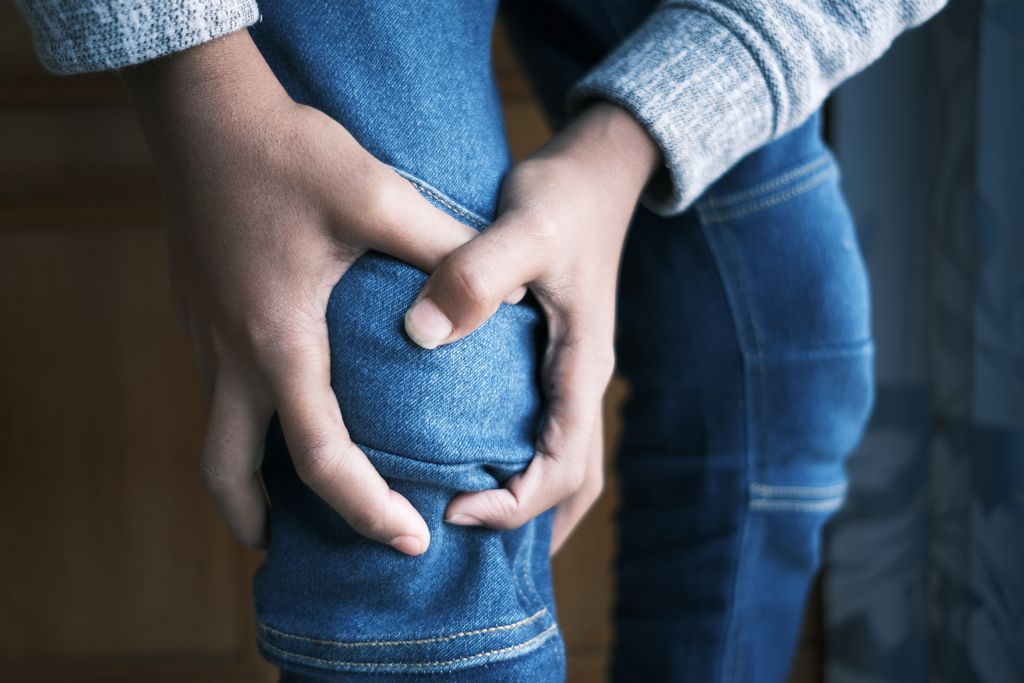
Some people report that their joint symptoms change with weather or changes in temperature and pressure.
Research into the relationship between weather and joint pain is mixed, and weather is not considered a universal cause of joint disease.
People who notice a consistent pattern can keep a symptom diary and discuss it with a healthcare professional.
18. Symptoms That Can Occur With Joint Pain
Joint pain can occur alone or alongside other symptoms.
Possible symptoms include:
- Stiffness
- Swelling
- Redness
- Warmth
- Tenderness
- Reduced range of movement
- Weakness
- Difficulty walking
- Pain during activity
The combination of symptoms can provide useful information about the possible cause.
When Should You See a Doctor?
Mild joint pain after unusual physical activity may improve with rest and appropriate self-care.
However, medical evaluation is important when pain:
- Lasts for an extended period
- Keeps returning
- Becomes progressively worse
- Causes significant swelling
- Limits normal movement
- Occurs in multiple joints
- Is associated with unexplained fever
- Follows a significant injury
- Is accompanied by unexplained weight changes or other concerning symptoms
Sudden severe joint pain with marked swelling, redness, warmth, or fever requires prompt medical assessment.
How Doctors Diagnose Joint Pain
A healthcare professional may ask about the location, duration, severity, and pattern of the pain.
They may also ask about previous injuries, physical activity, medications, medical conditions, family history, and other symptoms.
Depending on the situation, evaluation may include:
- Physical examination
- Blood tests
- X-rays
- Ultrasound
- MRI
- Joint fluid testing
- Other appropriate investigations
Not every person needs all of these tests. The choice depends on the suspected cause.
General Ways to Support Joint Health
Healthy lifestyle habits can support overall musculoskeletal health.
Stay Physically Active
Regular, appropriate movement can help maintain strength, flexibility, and mobility.
Walking, swimming, cycling, and other low-impact activities may be suitable for many people.
Build Strength Gradually
Strength training can support muscles around joints.
Beginners should start gradually and use proper technique.
Maintain Good Sleep
Adequate sleep supports general health and recovery.
Eat a Balanced Diet
A varied diet provides nutrients needed for bones, muscles, and general health.
Avoid Tobacco
Smoking can negatively affect overall health and may interfere with normal tissue health and recovery.
Treatment Depends on the Cause
There is no single treatment that works for every type of joint pain.
Treatment may involve addressing an injury, treating an infection, managing arthritis, controlling an inflammatory condition, or changing activities that aggravate symptoms.
A healthcare professional may recommend physical therapy, medication, lifestyle changes, or other treatments depending on the diagnosis.
People should avoid starting prescription medicines or supplements without appropriate professional advice.
Conclusion
Joint pain can result from many different causes, including arthritis, injuries, overuse, inflammation, gout, infections, autoimmune conditions, and age-related changes.
The location, severity, duration, and associated symptoms can provide important clues about what may be happening.
While mild temporary discomfort may improve, persistent, severe, or unexplained joint pain should be evaluated by a healthcare professional. Early assessment can help identify the underlying cause and determine an appropriate treatment plan.
Taking care of joint health through regular movement, appropriate strength training, balanced nutrition, adequate rest, and safe physical activity can support mobility and overall well-being throughout life.
Medical disclaimer: This article is for general educational information and is not a substitute for professional medical diagnosis or treatment. Anyone with severe, persistent, swollen, hot, or suddenly painful joints should seek appropriate medical care.