Introduction
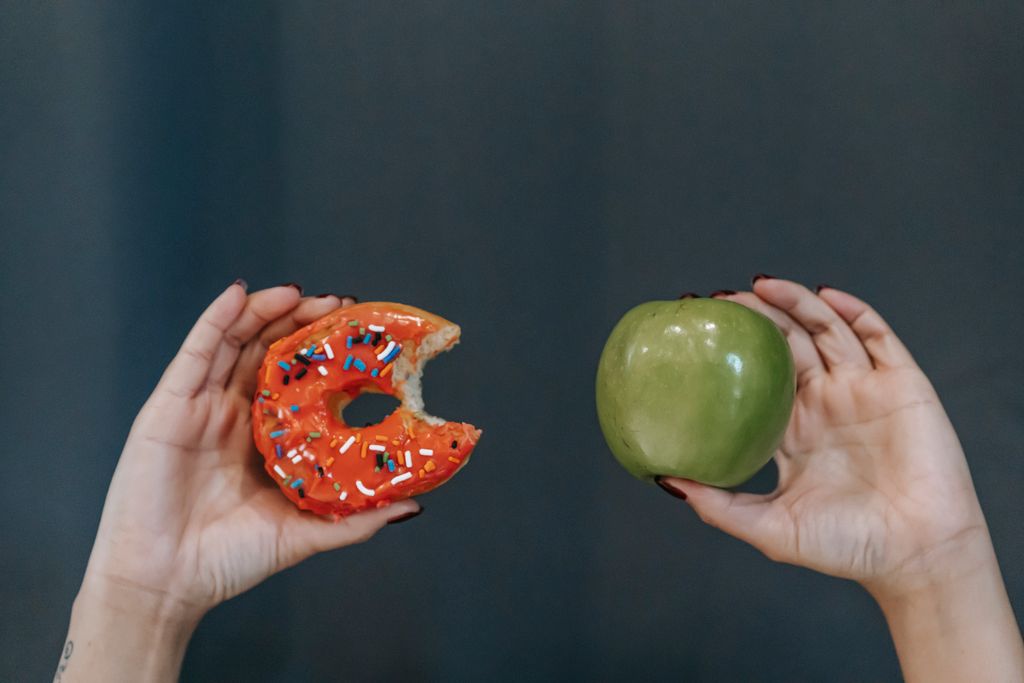
Food plays a central role in health, growth, energy, and everyday life. Every day, people make choices about what to eat, and one common question is whether natural foods are healthier than processed foods.
The answer is more complicated than simply saying that all natural foods are good and all processed foods are bad. Food exists on a spectrum. Some foods are minimally processed, while others go through several processing steps. Processing can sometimes make food safer, more convenient, longer-lasting, or easier to prepare. However, some highly processed foods can contain large amounts of added sugar, sodium, unhealthy fats, and refined ingredients while providing relatively few nutrients.
A healthy eating pattern generally emphasizes vegetables, fruits, whole grains, legumes, nuts, seeds, and nutritious protein sources while limiting highly processed foods that are high in added sugars, sodium, and unhealthy fats. Processed Food
Understanding the differences can help people make better food choices without creating unnecessary fear around processing.
What Is Natural Food?
The term “natural food” is commonly used to describe foods that are close to their original form.
Examples include:
- Fresh fruits
- Fresh vegetables
- Eggs
- Fresh fish
- Beans
- Lentils
- Nuts
- Seeds
- Whole grains
- Plain milk
However, “natural” does not automatically mean healthy.
For example, some naturally occurring foods can contain large amounts of sugar, fat, or calories. What matters is the overall nutritional value, portion, preparation, and place of the food within the diet.
It is often more useful to think about minimally processed foods rather than simply labeling foods as natural or unnatural.
What Is Processed Food?
Processed food is food that has been changed from its original form through methods such as cooking, freezing, drying, grinding, fermenting, canning, or adding ingredients.
This means that processing is not automatically harmful.
For example, frozen vegetables are processed, but they can still be highly nutritious. Pasteurized milk is processed to improve safety. Canned beans can be convenient and nutritious.
The important distinction is often between minimally processed foods and highly or ultra-processed foods.
Understanding the Food Processing Spectrum
Food can be grouped into several broad categories.
Minimally Processed Foods
These foods have undergone little processing.
Examples include:
- Washed vegetables
- Frozen fruits
- Frozen vegetables
- Plain yogurt
- Plain oats
- Unsalted nuts
- Pasteurized milk
These foods can easily fit into a healthy diet.
Processed Culinary Ingredients
These are ingredients created through processing and usually used to prepare other foods.
Examples include:
- Vegetable oils
- Salt
- Sugar
- Flour
They can be useful in cooking but are generally not eaten as the main component of a meal.
Processed Foods
These are foods that may contain added ingredients but can still provide useful nutrients.
Examples include:
- Canned beans
- Whole-grain bread
- Cheese
- Canned fish
- Some canned vegetables
The nutritional quality depends on the specific product and ingredients.
Highly or Ultra-Processed Foods
These foods often contain multiple industrial ingredients and may be designed to be especially convenient, highly palatable, or long-lasting.
Examples can include:
- Sugary breakfast cereals
- Some packaged desserts
- Many sugary drinks
- Certain packaged snack foods
- Some instant meals
- Some processed meat products
Not every food in this category has exactly the same nutritional profile, but many highly processed foods are high in added sugar, sodium, or unhealthy fats.
Why Should We Eat More Minimally Processed Foods?
Minimally processed foods can provide a broad range of nutrients.
1. They Provide Essential Vitamins and Minerals
Vegetables and fruits provide vitamins and minerals that support many body functions.
For example, leafy vegetables can provide folate and vitamin K, while fruits can provide vitamin C and other nutrients.
Different foods contain different nutrients, which is why variety matters.
2. They Often Provide More Fiber
Whole fruits, vegetables, beans, lentils, and whole grains can be excellent sources of dietary fiber.
Fiber supports digestive health and can contribute to feelings of fullness.
Highly refined foods may contain less fiber than their whole-food counterparts.
3. They Provide Protein
Many minimally processed foods contain protein.
Examples include:
- Eggs
- Fish
- Chicken
- Milk
- Yogurt
- Lentils
- Beans
- Chickpeas
- Nuts
- Seeds
Protein is needed for growth, tissue maintenance, enzymes, hormones, and many other functions.
4. They Provide Healthy Fats
Foods such as nuts, seeds, avocados, and certain fish provide beneficial unsaturated fats.
Dietary fats are important for normal body functions and help the body absorb certain fat-soluble vitamins.
5. They Can Help Create Balanced Meals
A meal based around vegetables, whole grains, legumes, and a nutritious protein source can provide multiple nutrients at once.
For example, lentils with vegetables and whole-grain roti can provide protein, carbohydrates, fiber, vitamins, and minerals.
Are All Processed Foods Unhealthy?
No.
This is one of the most important points in the natural-versus-processed debate.
Processing can make food safer, more convenient, and more affordable.
Frozen Vegetables
Freezing can preserve foods for long periods. Frozen vegetables can be a practical alternative when fresh produce is unavailable.
Canned Beans
Canned beans can save preparation time and still provide protein and fiber.
People watching sodium intake can choose lower-sodium versions or rinse canned beans when appropriate.
Pasteurized Milk
Pasteurization uses heat to reduce harmful microorganisms and is an important food-safety process.
Plain Yogurt
Yogurt is processed through fermentation but can provide protein and nutrients such as calcium.
Whole-Grain Bread
Bread is processed, but whole-grain bread can be part of a nutritious diet.
Therefore, “processed” does not automatically mean “unhealthy.”
What Makes Some Processed Foods Less Healthy?
Some highly processed foods are designed to be convenient, inexpensive, shelf-stable, and highly appealing.
They may contain combinations of ingredients that make them easy to consume in large quantities.
Some can also contain substantial amounts of:
- Added sugars
- Sodium
- Saturated fat
- Refined carbohydrates
They may contain less fiber and fewer nutrients than many minimally processed alternatives.
Eating these foods occasionally is not necessarily a problem. The concern is when they regularly replace more nutritious foods.
Natural Sugar vs. Added Sugar
Sugar is another area where the distinction matters.
Whole fruits naturally contain sugar, but they also provide fiber, water, vitamins, minerals, and other beneficial compounds.
Sugary drinks and sweets can contain large amounts of added sugar without providing the same nutritional package.
For this reason, eating whole fruit is generally a more nutritious choice than regularly drinking sugar-sweetened beverages.
This does not mean that every food containing sugar must be avoided.
The overall dietary pattern matters.
Whole Fruit vs. Fruit Juice
Whole fruit generally provides more fiber than juice.
For example, eating an orange provides fiber and requires chewing, while orange juice can be consumed quickly and may provide concentrated amounts of naturally occurring sugar.
Juice can fit into some diets, but whole fruit is generally a better everyday choice for getting fruit.
Whole Grains vs. Refined Grains
Whole grains contain the grain’s major components, including the bran and germ.
Examples include:
- Oats
- Brown rice
- Whole-wheat bread
- Whole-grain cereals
Refined grains have been processed to remove parts of the grain.
Refined grains are not automatically unhealthy, but whole grains often provide more fiber and nutrients.
Choosing whole grains more often can be a useful part of a balanced diet.
Fresh vs. Frozen Food
Fresh food is not automatically healthier than frozen food.
Frozen fruits and vegetables can retain significant nutritional value and can be especially useful when fresh produce is expensive or unavailable.
The important factors include what is added to the product and how it is prepared.
Frozen vegetables without heavy sauces or excessive sodium can be an excellent choice.
Canned Food: Is It Healthy?
Canned foods can be nutritious and convenient.
Canned beans, tomatoes, vegetables, and fish can all contribute to a balanced diet.
However, some canned products contain significant amounts of sodium or added sugar.
Reading the nutrition label can help identify better options.
Choosing products with less added sugar and sodium can be useful when possible.
Processed Meat
Processed meat deserves particular attention.
Examples include some forms of sausages, hot dogs, bacon, and other preserved meat products.
Frequent consumption of processed meat has been associated with health concerns, so it is generally sensible to limit these foods and choose a wider variety of protein sources.
Alternatives can include fish, eggs, beans, lentils, chickpeas, nuts, seeds, and fresh poultry.
Fast Food and Convenience Foods
Fast food can be convenient, especially when people are busy.
However, many fast-food meals can be high in sodium, saturated fat, and calories.
The issue is not that one fast-food meal automatically makes a diet unhealthy. Rather, regularly relying on such foods can make it harder to maintain a balanced diet.
When eating outside the home, adding vegetables, choosing water, and selecting meals with nutritious protein sources can improve the overall meal.
Natural Food Does Not Mean Unlimited Food
Another common mistake is believing that natural foods can be eaten without limits.
Nuts, seeds, dried fruit, honey, and some other natural foods can be nutritious but energy-dense.
A healthy diet still requires balance and appropriate amounts.
Nutrition is not simply about whether a food is natural. It is about the overall combination of foods and how they fit into individual needs.
What Should We Eat More Often?
A practical eating pattern can emphasize:
Vegetables
Try to include a variety of vegetables throughout the week.
Fruits
Choose different whole fruits and seasonal options.
Whole Grains
Include oats, whole-wheat foods, brown rice, and other whole grains when available.
Legumes
Beans, lentils, and chickpeas are affordable sources of protein and fiber.
Nutritious Protein
Include foods such as eggs, fish, poultry, yogurt, beans, lentils, nuts, and seeds.
Healthy Fats
Use foods such as nuts, seeds, avocado, and suitable vegetable oils.
Water
Make water the primary everyday beverage for most situations.
What Should We Eat Less Often?
A healthy diet does not require completely banning foods.
However, it is generally sensible to limit foods and drinks that provide large amounts of added sugar, sodium, saturated fat, or refined ingredients while offering relatively few nutrients.
These can include:
- Sugary drinks
- Candy
- Many packaged sweets
- Highly processed snack foods
- Some fast foods
- Some processed meats
- Foods with excessive added sugar or sodium
The exact choices depend on the individual and the overall diet.
How to Read a Food Label
Food labels can help consumers make informed choices.
Look for:
Serving size: Understand how much food the nutrition information describes.
Added sugars: Check whether significant sugar has been added.
Sodium: Compare products and choose lower-sodium options when appropriate.
Fiber: Foods with more fiber can be useful components of a healthy diet.
Protein: Compare protein content when selecting protein-rich foods.
Ingredient list: Ingredients are generally listed from greatest to least by weight.
A food label provides useful information, but it should not be the only factor considered.
A Simple Balanced Plate
One practical way to think about meals is to combine several food groups.
A plate can include:
- A generous portion of vegetables
- A source of protein
- A nutritious carbohydrate such as whole grains or potatoes
- A small amount of healthy fat
- Fruit if desired
The exact proportions should be adjusted according to individual needs.
This approach is more sustainable than trying to follow a complicated list of forbidden foods.
Natural vs. Processed: Example Meals

Breakfast
Instead of a highly sugary breakfast product, consider oatmeal with milk or yogurt, fruit, and nuts.
Lunch
A meal of lentils, vegetables, whole-grain roti, and yogurt provides several important nutrients.
Snack
Fruit, plain yogurt, or a small serving of nuts can be nutritious options.
Dinner
Fish or chicken with vegetables and rice or potatoes can provide protein, carbohydrates, and other nutrients.
These are examples, not mandatory meal plans.
What About Teenagers?
Teenagers need adequate nutrition because their bodies and brains are still developing.
They should not follow restrictive diets based on appearance, social-media trends, or unrealistic body ideals.
A balanced diet for teenagers should provide enough energy and nutrients for growth, learning, physical activity, and normal development.
Instead of focusing on avoiding every processed food, teenagers should focus on eating a variety of nutritious foods and limiting highly processed foods that frequently replace healthier options.
If a teenager has specific nutritional concerns, they should talk with a parent or guardian and a qualified healthcare professional.
How to Make Healthy Food More Affordable
Healthy eating does not have to be expensive.
Some affordable nutritious foods include:
- Lentils
- Beans
- Chickpeas
- Eggs
- Seasonal vegetables
- Seasonal fruits
- Oats
- Rice
- Potatoes
- Whole-grain foods
- Yogurt
Buying seasonal produce, planning meals, cooking at home, and using leftovers can reduce food waste and expenses.
Frozen and canned foods can also be useful when fresh alternatives are expensive.
The Importance of Food Preparation
How food is prepared can affect its nutritional profile.
Deep-frying foods can substantially increase their fat and calorie content.
Cooking methods such as baking, steaming, boiling, grilling, and appropriate stir-frying can be useful alternatives.
However, there is no single “perfect” cooking method.
The goal is to prepare food safely while maintaining variety and nutritional quality.
Can Processed Food Be Part of a Healthy Diet?
Yes.
A healthy diet can include some processed foods.
For example, whole-grain bread, yogurt, canned beans, frozen vegetables, and canned fish can all be useful.
The goal is not to eliminate processing. It is to make minimally processed and nutritious foods the foundation of the diet while keeping highly processed foods that are high in added sugar, sodium, or unhealthy fats more occasional.
This flexible approach is more realistic for most people.
Common Myths
Myth 1: All Natural Foods Are Healthy
Not necessarily. Natural foods can still be high in sugar, fat, or calories.
Myth 2: All Processed Foods Are Bad
False. Processing can improve safety, storage, and convenience.
Myth 3: Frozen Vegetables Have No Nutritional Value
False. Frozen vegetables can be nutritious and practical.
Myth 4: Healthy Eating Means Never Eating Snacks
Not necessarily. Nutritious snacks can be part of a balanced eating pattern.
Myth 5: You Must Eat Only Organic or Natural Foods
Healthy eating does not require expensive or specialized products. A varied diet based on nutritious foods is more important.
A Practical Rule for Everyday Eating
Instead of asking, “Is this food natural or processed?” ask several better questions:
What nutrients does this food provide?
Does it contain a lot of added sugar or sodium?
How much fiber and protein does it provide?
How often am I eating it?
Does it fit into my overall diet?
These questions provide a more useful way to evaluate food choices.
Conclusion
The natural-versus-processed food debate does not need to be an all-or-nothing argument.
Many minimally processed foods, including vegetables, fruits, whole grains, legumes, nuts, seeds, eggs, fish, and other nutritious foods, should form the foundation of a healthy eating pattern.
At the same time, processed foods are not automatically unhealthy. Frozen vegetables, canned beans, pasteurized milk, yogurt, whole-grain bread, and other processed foods can provide valuable nutrients and convenience.
The foods that deserve more attention are highly processed products that are frequently high in added sugar, sodium, saturated fat, or refined ingredients and that can easily replace more nutritious foods.
The best approach is balance.
Eat a wide variety of vegetables and fruits. Include nutritious protein sources. Choose whole grains and other high-fiber foods. Drink water regularly. Use healthy fats appropriately. Enjoy processed foods in moderation rather than making them the foundation of your diet.
Healthy eating is not about achieving a perfect diet. It is about creating a sustainable pattern that provides the nutrients your body needs and fits your lifestyle.
This article is for general educational purposes and is not individualized medical or nutritional advice. People with medical conditions, food allergies, or special dietary requirements should consult a qualified healthcare professional or registered dietitian.