Introduction
The internet has changed the way people learn about health, wellness, nutrition, fitness, mental well-being, beauty, relationships, and everyday lifestyle choices. Instead of depending only on printed magazines or visiting a library, people can now find health information online within seconds. One website that has become well known in the digital health and lifestyle publishing space is health.com.
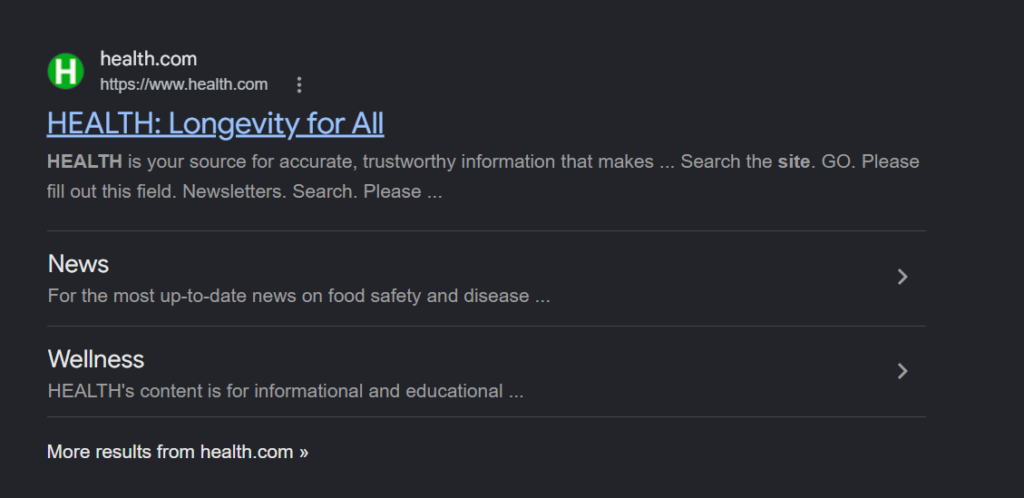
health.com is an online health and wellness publication that provides articles covering a wide variety of topics. Its content is designed for readers who want to understand health subjects, discover wellness ideas, learn about nutrition, and follow lifestyle trends. Like many large digital publications, the website contains a mixture of educational articles, practical guides, expert-informed information, news-related health content, and lifestyle features.
For readers, health.com can be useful as a starting point when researching general health topics. However, online health information should always be considered educational rather than a replacement for personalized advice from a qualified healthcare professional.
What Is health.com?
health.com is a digital publication focused on health, wellness, fitness, nutrition, lifestyle, and related subjects. The website publishes content intended for a broad audience, meaning that articles may range from simple explanations for beginners to more detailed discussions of specific health and wellness topics.
The main purpose of health.com is to make health-related information easier for everyday readers to understand. Health terminology can sometimes be complicated, particularly when an article discusses nutrition, medical conditions, medications, fitness science, or mental health. A well-written health article can simplify complex concepts while still providing useful background information.
Readers may visit health.com when they are looking for information about healthy habits, food, exercise, personal wellness, beauty, lifestyle, or general health questions. Its broad editorial approach allows the publication to cover many areas instead of focusing on only one specialized topic.
Major Topics Covered
One of the strongest features of health.com is its wide range of subjects. Health is not limited to exercise or disease prevention. It includes physical activity, nutrition, sleep, stress management, emotional well-being, relationships, and everyday lifestyle decisions.
Nutrition
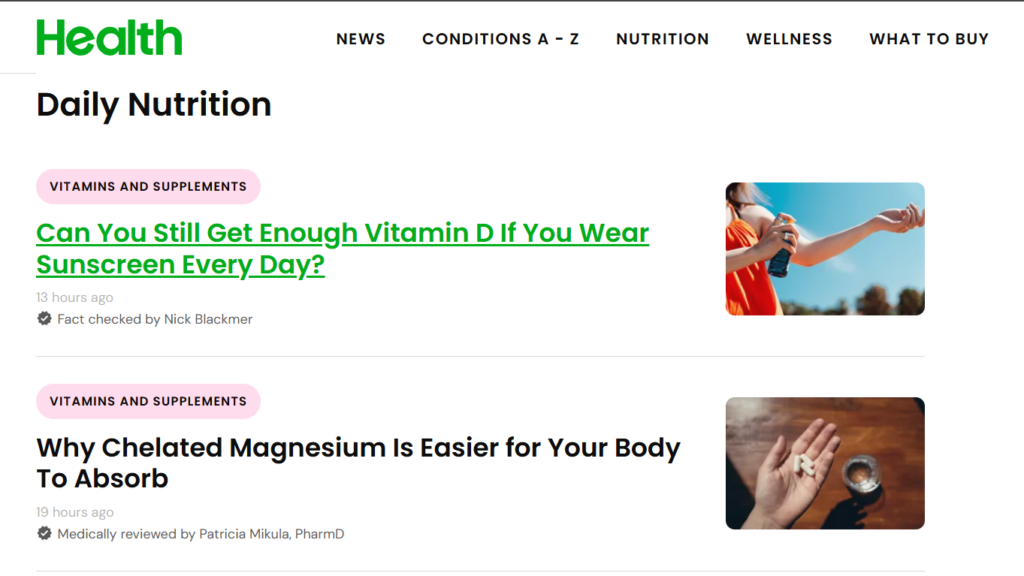
Nutrition is an important part of maintaining overall well-being. Articles about food can help readers understand nutrients, eating patterns, ingredients, meal ideas, and common nutrition questions.
A reader using health.com for nutrition information may find articles discussing different foods, vitamins, dietary habits, healthy eating strategies, and nutrition-related trends. Such information can be useful for developing basic knowledge about food and wellness.
At the same time, nutrition needs can differ from person to person. Age, activity level, allergies, medical history, and other factors can influence dietary needs. Therefore, general articles should not be treated as individualized medical or dietary instructions.
Fitness and Exercise
Physical activity is another major area of interest for online health readers. Exercise-related content can discuss walking, strength training, stretching, cardiovascular activity, mobility, and other forms of movement.
health.com can provide general educational material that helps readers understand why regular movement matters and how different activities may support physical well-being. Beginners can also learn common fitness terminology and discover ways to make physical activity part of a balanced lifestyle.
However, readers should choose activities appropriate for their age, experience, and circumstances. Anyone with concerns about exercise or a health condition should consult an appropriate professional before making major changes.
Mental and Emotional Wellness
Mental wellness has become an increasingly important subject in online publishing. People frequently search for information about stress, emotions, sleep, relationships, work-life balance, and other aspects of psychological well-being.
Content on health.com may help readers learn general concepts related to emotional wellness and understand common experiences. Educational articles can encourage people to recognize when they may need additional support.
It is important to remember that online content cannot diagnose a person. If someone is experiencing serious or persistent emotional difficulties, speaking with a trusted adult or qualified professional is a more appropriate step than relying solely on internet articles.
Health News and Current Information
Another reason people visit health.com is to keep up with health-related news and changing wellness conversations. The health field is constantly developing as researchers publish new studies and professionals learn more about nutrition, disease prevention, exercise, and public health.
Readers may use health.com to follow discussions about new research, health trends, seasonal wellness topics, and other developments. Current information can be especially useful when a topic is changing quickly.
Nevertheless, readers should look carefully at the date of an article. Health recommendations can change as new evidence becomes available. Comparing information from multiple trustworthy sources is a good habit when researching an important subject.
Health Information for Everyday Readers
A major benefit of health.com is its accessibility. Many people are not medical professionals, so they need explanations written in clear language.
A useful health article should explain important terms, provide context, distinguish established information from emerging research, and avoid making unrealistic promises. Readers should also be able to understand the difference between general education and professional medical advice.
This approach can make health.com valuable for people who are beginning to research a subject. For example, someone might want to understand the basics of sleep, learn about common nutrients, explore different types of exercise, or understand why hydration matters.
The goal of general health content should be education rather than fear. Reliable health writing should help readers understand a topic without encouraging unnecessary worry.
The Importance of Reliable Health Content
Not every health website on the internet provides reliable information. Search engines can return thousands of pages, but popularity does not automatically mean accuracy.
When evaluating health.com, readers should consider the author, publication date, supporting evidence, editorial standards, and whether medical or scientific claims are appropriately supported.
A responsible health publication should avoid presenting exaggerated claims as facts. Statements such as “one trick will solve every health problem” or “this food guarantees perfect health” should immediately encourage readers to look for stronger evidence.
Health topics can be particularly sensitive because incorrect information may influence personal decisions. For this reason, readers should use reputable sources and consult healthcare professionals when a question involves diagnosis, treatment, medication, or a serious health concern.
How to Use health.com Effectively
Using health.com effectively involves more than reading the first article that appears in a search engine. Readers can improve their research by checking several important details.
First, identify exactly what question you want to answer. A specific question makes it easier to find relevant information.
Second, check the article date. Older health information may not reflect newer research.
Third, look at the author and editorial information when available. Understanding who produced an article can help readers evaluate its authority.
Fourth, compare important claims with other reputable health and medical sources. If multiple reliable sources agree, the information may have stronger support.
Finally, remember that general health content does not replace personalized care. health.com can be a useful educational resource, but individual health decisions may require professional guidance.
Health and Lifestyle Content
Health is closely connected with lifestyle. Sleep, physical activity, food, stress, relationships, and daily routines can all influence a person’s overall well-being.
Lifestyle content can help readers think about their everyday habits. For example, an article might discuss strategies for improving sleep routines, staying active, organizing meals, or managing everyday stress.
health.com covers this broader understanding of wellness, which makes the publication relevant to readers interested in more than medical conditions.
A balanced lifestyle does not mean following every trend that becomes popular online. Instead, people can focus on sustainable habits that fit their individual circumstances.
The Role of Expert Information
Expert input is particularly important when discussing medical or scientific subjects. Health writers may use research studies, interviews, professional commentary, and established medical information to provide context.
Readers should understand that the presence of an expert quote does not automatically mean every statement in an article applies to every individual. Professional opinions can also depend on context and evidence.
When reading health.com, readers can benefit from paying attention to references to research, experts, and supporting evidence. This encourages a more critical approach to online health information.
Health.com and Digital Publishing
The growth of websites such as health.com reflects a broader change in how people consume information. Traditional magazines once dominated health and lifestyle publishing, but digital publications now allow information to reach readers much faster.
Online publishing also allows articles to be updated, categorized, searched, and shared. Readers can access information from computers, tablets, and smartphones.
This convenience has major benefits, but it also creates challenges. The internet contains misinformation alongside accurate information. Digital readers therefore need basic media-literacy skills.
Understanding who created an article, when it was published, what evidence supports its claims, and whether other reputable sources agree are all useful habits.
Benefits for Readers
There are several potential benefits to using health.com as part of general health research.
One benefit is variety. Readers can explore different categories without visiting multiple specialized websites.
Another benefit is accessibility. Articles are generally designed for ordinary readers rather than only medical professionals.
A third benefit is convenience. People can search for information whenever they need general background knowledge.
A fourth benefit is exposure to different wellness topics. Someone interested in nutrition may also discover information about exercise, sleep, stress, or lifestyle.
However, these benefits work best when readers approach online health information critically and responsibly.
Limitations of Online Health Websites
Even a well-established health publication has limitations. An online article cannot examine a patient, review a complete medical history, perform laboratory tests, or provide personalized treatment.
For that reason, health.com should be viewed as an educational resource rather than a personal healthcare provider.
Readers should be particularly careful with information about symptoms, medications, supplements, serious illnesses, injuries, or mental health concerns. These subjects can require professional assessment.
Online health content can help people prepare questions for a doctor or understand basic terminology, but it should not encourage people to diagnose themselves.
How to Check Health Information
Critical thinking is essential when reading health content. A reader can ask several simple questions.
Who wrote the article?
When was it published or updated?
Does it provide evidence?
Does it clearly distinguish research from opinion?
Are claims presented realistically?
Can the information be confirmed by other reputable sources?
These questions are useful when reading health.com or any other health website.
Readers should also be cautious about dramatic headlines. Headlines are often designed to attract attention, while the full article may provide more nuanced information.
Health Content and Search Engines
Search engines have made health information easier to find, but search ranking should not be confused with medical authority. A page appearing near the top of a search result does not automatically make it the most accurate source.
When researching through health.com, readers should focus on the quality and relevance of the information rather than simply its position in search results.
Using multiple sources can provide a broader perspective and help identify information that is consistently supported by reputable organizations.
Why Health Literacy Matters
Health literacy means having the ability to find, understand, evaluate, and use health information appropriately. It is an increasingly important skill in a digital world.
Websites such as health.com can contribute to health literacy by explaining common concepts in accessible language.
Good health literacy does not mean knowing everything about medicine. Instead, it means knowing how to ask questions, recognize reliable information, understand basic terminology, and identify when professional help is needed.
For students and young readers, developing these skills can be especially valuable. Learning how to evaluate online information is useful not only for health but also for science, technology, education, and everyday decision-making.
Health.com for General Research
Students, writers, bloggers, and everyday internet users may use health.com while researching health-related subjects. It can provide background information and ideas for further research.
However, anyone writing an academic or professional health article should consult primary research and authoritative medical sources when appropriate. A general publication should not always be the final source for a scientific claim.
For casual learning, online health publications can provide an accessible introduction. For high-stakes decisions, stronger professional and scientific sources are more appropriate.
Building Better Health Habits
Reading about wellness is only one part of maintaining a healthy lifestyle. People also need to consider practical habits such as getting enough rest, eating a balanced diet, staying physically active, managing stress, and seeking professional care when necessary.
Articles from health.com may provide ideas and educational information, but readers should focus on realistic and sustainable habits rather than extreme health trends.
There is no single lifestyle strategy that works perfectly for everyone. Individual circumstances differ, and health goals should be approached responsibly.
The Future of Online Health Publishing
Digital health publishing will likely continue to evolve. Technology is changing how people search for information, read articles, watch educational videos, and communicate with healthcare professionals.
Websites such as health.com are part of this larger digital ecosystem. Future health publishing may place even greater emphasis on evidence, personalization, accessibility, multimedia content, and transparent editorial practices.
At the same time, misinformation will remain an important challenge. Readers will need stronger digital health literacy to distinguish reliable information from unsupported claims.
Final Thoughts
health.com represents the type of digital publication that brings health and wellness information to a large online audience. Its broad coverage can help readers explore topics involving nutrition, fitness, lifestyle, mental wellness, and general health education.
The most valuable way to use health.com is as one part of a wider information-gathering process. Readers should check dates, examine sources, compare important claims, and recognize the difference between general education and individualized medical advice.
Ultimately, good health information should encourage informed decisions rather than fear or unrealistic expectations. health.com can be useful for learning about health topics, discovering new areas of interest, and developing basic health literacy.
Whether someone is researching nutrition, exercise, sleep, wellness, or another everyday health subject, the key is to approach online information thoughtfully. Combining reputable publications with authoritative medical resources and professional guidance when necessary gives readers a stronger foundation for making responsible decisions about their health.