Introduction
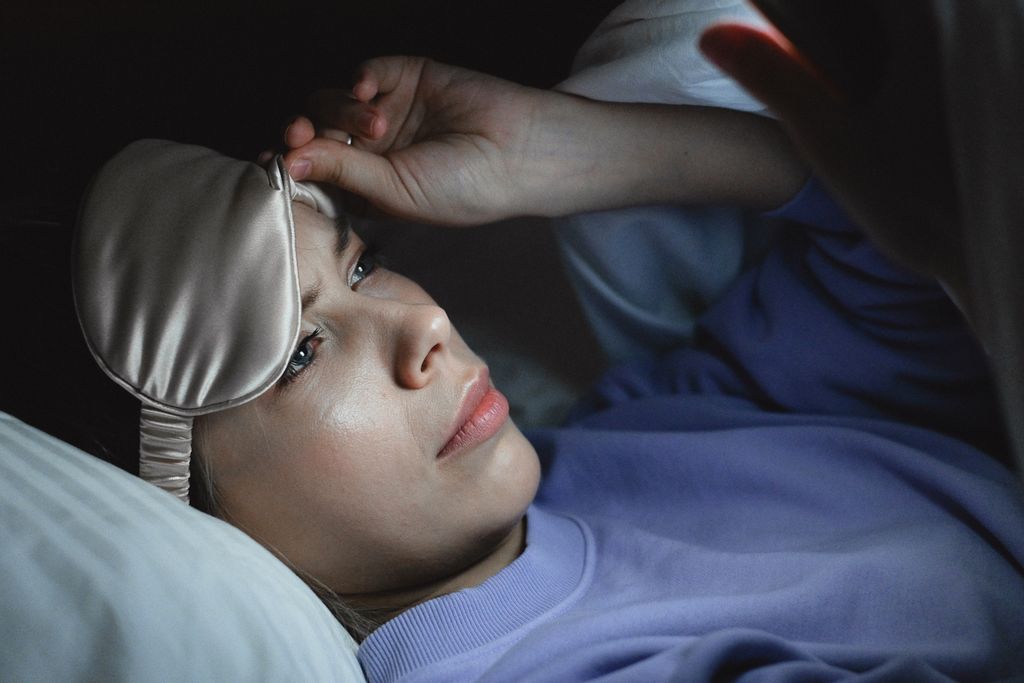
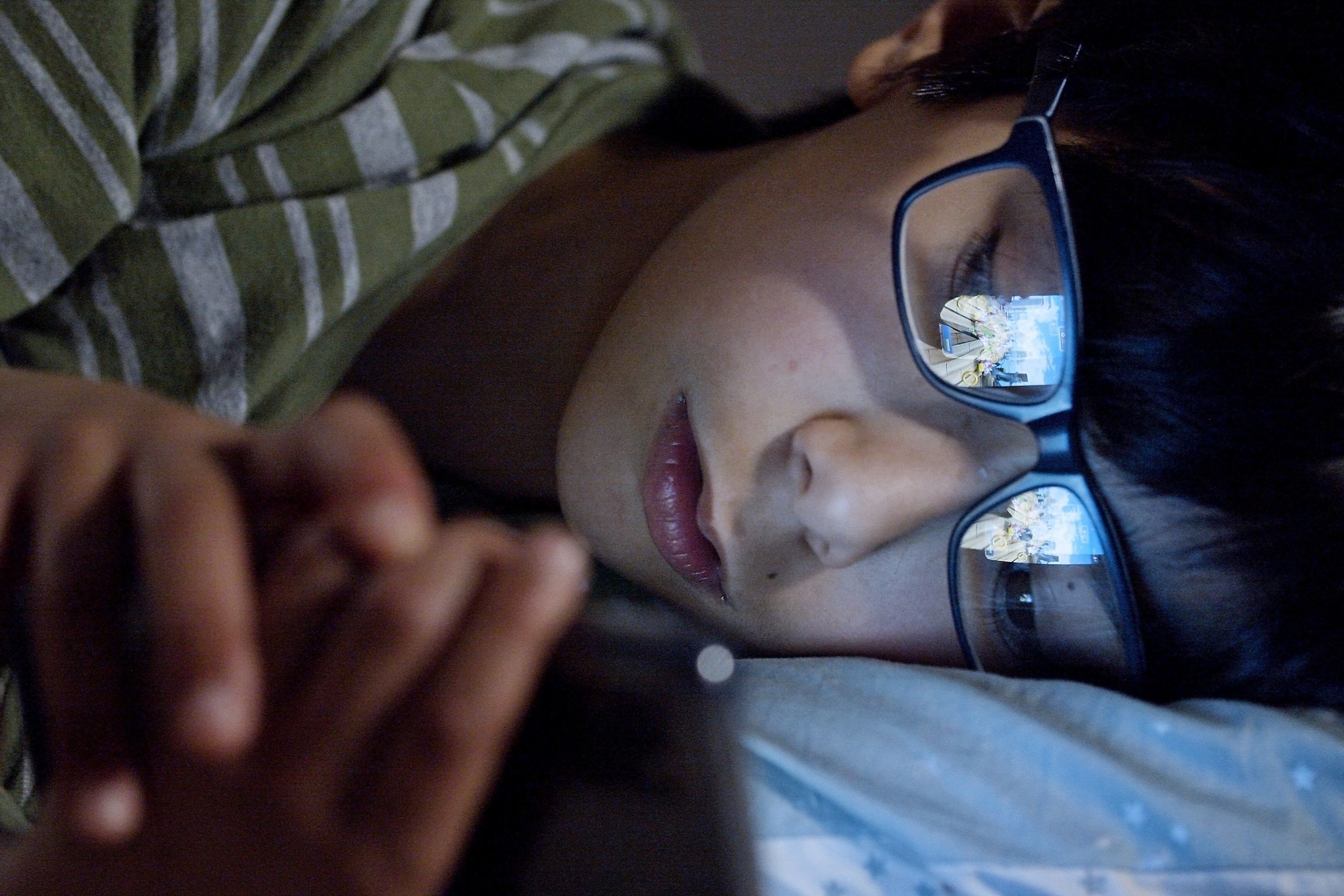
Screens have become an important part of modern life. People use smartphones, tablets, computers, televisions, and gaming devices for education, communication, entertainment, and work. While technology can be useful, spending a lot of time on screens, particularly close to bedtime, can affect sleep. How Screen Time
Sleep is essential for physical and mental well-being. During sleep, the body and brain carry out important processes that support memory, concentration, mood, learning, and physical recovery. How Screen Time
The relationship between screen time and sleep is influenced by several factors. Bright light from screens can affect the body’s natural sleep-wake rhythm, while exciting content, social media, gaming, notifications, and late-night communication can keep the brain alert. How Screen Time
This article explains how screen time can affect sleep and provides practical strategies for developing healthier technology habits.
1. What Is Screen Time?
Screen time refers to the amount of time a person spends using devices with screens. How Screen Time
Common examples include:
- Smartphones
- Tablets
- Computers
- Televisions
- Video game consoles
- Smart devices
- Streaming platforms
Screen time is not always harmful. Using a computer for school or work is different from continuously scrolling through social media late at night. How Screen Time
The timing, duration, content, and purpose of screen use all matter.
2. Why Sleep Is ImportantHow Screen Time
Sleep is essential for the body and brain. How Screen Time
During sleep, the brain processes information and supports memory and learning. Sleep also contributes to emotional regulation, attention, and physical recovery.
Insufficient or poor-quality sleep can make people feel tired and may affect concentration, mood, and daily performance.
For children and teenagers, adequate sleep is particularly important because the body and brain are still developing.
3. How Screen Light Can Affect Sleep
One reason screens may interfere with sleep is the light they produce.How Screen Time
Electronic screens emit light that can influence the body’s internal biological clock, also known as the circadian rhythm.
The effect depends on factors such as screen brightness, duration of use, distance from the screen, and individual sensitivity.
Light exposure in the evening can signal to the brain that it is still daytime. This may delay the natural transition toward sleep for some people. How Screen Time
4. Screens Can Delay Bedtime
Sometimes the biggest problem is not the screen itself but the amount of time spent using it.
A person may intend to watch one short video but continue watching for an hour. Social media feeds, games, streaming services, and online conversations can make it easy to lose track of time.
This can reduce the amount of time available for sleep.
For example, someone planning to sleep at 10:30 p.m. may continue using their phone until midnight. Even if the screen does not directly prevent sleep, the lost sleep opportunity can be significant.
5. Social Media Can Keep the Brain Active
Social media can be mentally stimulating.
Messages, comments, videos, notifications, and constantly changing content can encourage people to keep checking their devices.
Emotional or stressful content may also make it harder to relax before bed.
Creating a period of reduced screen activity before bedtime can help establish a calmer transition into sleep.
6. Gaming and Sleep
Video games can be highly engaging.
Competitive games may increase alertness and excitement, making it harder for some people to feel ready for sleep immediately afterward.
Gaming can also lead to delayed bedtimes because players may want to finish a match, complete a level, or continue playing with friends.
The issue is not that gaming automatically causes sleep problems. Rather, late-night gaming can become a problem when it reduces sleep time or makes it difficult to wind down.
7. Streaming and Late-Night Entertainment
Television and streaming services can also affect sleep habits.
Automatic playback and long series can encourage people to continue watching episode after episode.
Watching relaxing content may not affect everyone in the same way, but staying awake much later than planned can reduce total sleep.
Setting a clear stopping time can help prevent entertainment from taking away from sleep.
8. Notifications Can Interrupt Sleep
Phones and other connected devices may produce sounds, vibrations, or lights during the night.
Even brief notifications can interrupt sleep or encourage someone to check their phone.
Turning off unnecessary notifications or using a suitable sleep or do-not-disturb setting can reduce interruptions.
9. Checking the Phone During the Night
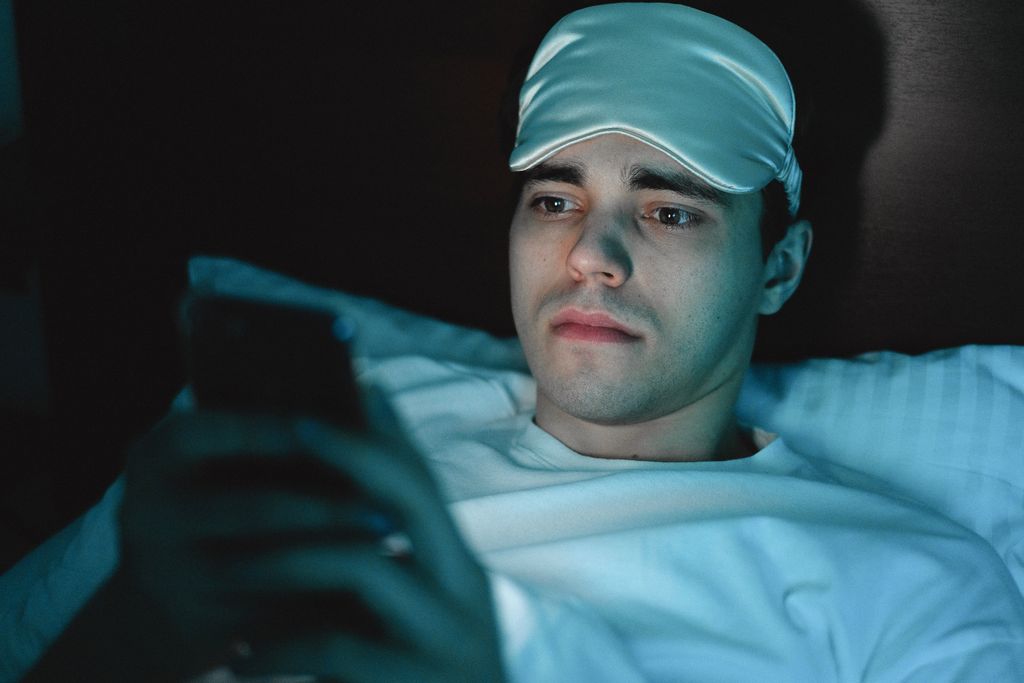
Some people wake up and immediately check their phones.
Looking at messages, social media, news, or videos can make it harder to return to sleep.
It can also turn a brief nighttime awakening into a longer period of wakefulness.
Keeping the phone away from the bed can make it easier to avoid this habit.
10. Screen Time Can Affect Sleep Routines
A consistent bedtime routine helps the body prepare for sleep.
When screens are used continuously until the moment someone tries to sleep, there may be little time to mentally transition from activity to rest.
A calming routine might include reading a physical book, preparing for the next day, gentle stretching, quiet conversation, or another relaxing activity.
11. Blue Light and Sleep
The term “blue light” is often used when discussing screens and sleep.
Blue wavelengths are present in natural daylight and in many electronic displays. Evening exposure to light can influence circadian timing and melatonin production.
Modern devices often include night modes or warmer display settings that reduce some blue-light exposure.
These features may be useful, but they do not solve every screen-related sleep problem. Staying on a device for a long time can still delay bedtime and provide stimulating content.
12. Screen Time and Melatonin
Melatonin is a hormone involved in regulating the sleep-wake cycle.
Evening light exposure can affect the body’s melatonin rhythm.
Screens are one source of evening light, although indoor lighting and other environmental light sources also matter.
Reducing bright light and screen exposure before bedtime can help create a more sleep-friendly environment.
13. Screen Time and Sleep Quality
Screen use can influence more than bedtime.
If a person spends a large amount of time on devices late at night, they may sleep for fewer hours or experience more interruptions.
Poor sleep can then affect the following day.
This can create a cycle in which tiredness leads to reduced activity during the day, while late-night screen use continues to delay bedtime.
14. Effects on Concentration
Poor sleep can affect attention and concentration.
Students may find it harder to focus on lessons or remember information when they are consistently sleep deprived.
Adults may also experience reduced concentration and slower responses after insufficient sleep.
Maintaining a regular sleep schedule can therefore support learning and productivity.
15. Effects on Mood
Sleep and emotional well-being are closely connected.
Insufficient sleep can contribute to irritability and difficulty managing emotions.
At the same time, stressful social media content or online arguments can make it harder to relax before bed.
Creating boundaries around nighttime technology use can help separate daytime activity from bedtime.
16. Effects on Physical Health
Sleep supports many aspects of physical health.
Consistently insufficient sleep is associated with various health problems, including difficulties with metabolic, cardiovascular, and immune function.
This does not mean that every sleep problem is caused by screen time. Sleep can be affected by many factors, including stress, medical conditions, medications, caffeine, environment, and lifestyle.
17. Children and Teenagers
Children and teenagers may be particularly affected by late-night screen use because adequate sleep is essential during growth and development.
Schoolwork, social communication, gaming, streaming, and social media can all compete with bedtime.
Parents and caregivers can help by creating consistent routines and reasonable technology boundaries.
The goal should not necessarily be to eliminate technology but to prevent it from regularly interfering with sleep.
18. Students and Screen Time
Students often use screens for homework and learning.
This makes completely avoiding screens unrealistic.
Instead, students can separate educational screen use from entertainment and create a clear stopping point before bedtime when possible.
If homework requires late-night computer use, adjusting brightness and using comfortable lighting can help reduce visual strain, while finishing work as early as practical can protect sleep time.
19. Practical Ways to Reduce Screen-Related Sleep Problems
There are several simple strategies that may help.
Create a Pre-Bed Screen Break
Try to establish a period before bedtime without recreational screen use.
The exact duration can vary. The important point is creating enough time to relax.
Keep Devices Away From the Bed
Placing phones away from the bed can reduce the temptation to check them.
Turn Off Unnecessary Notifications
Silencing nonessential alerts can reduce nighttime interruptions.
Use Night Settings
Many smartphones, tablets, and computers offer night or warm-display settings.
These can reduce certain types of light exposure, although they do not replace healthy sleep habits.
Set App or Device Limits
Screen-time controls can help people recognize how long they have been using a device.
Avoid “One More Video”
Streaming and social media can make it easy to continue indefinitely.
A planned stopping time can help protect bedtime.
20. Create a Relaxing Bedtime Routine
A consistent bedtime routine can help the body recognize that it is time to wind down.
Possible activities include:
- Reading a physical book
- Taking a warm shower
- Gentle stretching
- Preparing clothes for the next day
- Quiet conversation
- Relaxation exercises
- Listening to calm audio
The best routine is one that feels comfortable and can be repeated consistently.
21. Keep the Bedroom Sleep-Friendly
The sleeping environment also matters.
A bedroom that is comfortable, quiet, and appropriately dark can support better sleep.
If possible, keep recreational devices outside the immediate sleeping area.
A separate alarm clock can also reduce the need to keep a phone next to the bed.
22. Manage Caffeine
Caffeine can affect sleep, especially when consumed later in the day.
Coffee, tea, energy drinks, and some soft drinks contain caffeine.
If someone has trouble sleeping, limiting caffeine later in the day may help.
23. Don’t Replace Sleep With Screen Time
One of the most important rules is simple: screen time should not regularly replace sleep.
Watching videos or scrolling through social media may feel relaxing, but if it pushes bedtime later, it can reduce the total amount of sleep.
A healthy technology routine should protect sleep rather than compete with it.
24. What If You Need Screens at Night?
Not everyone can completely avoid screens before bedtime.
Students may have assignments, adults may have work responsibilities, and families may need to communicate.
In these situations:
- Reduce screen brightness when practical.
- Use a warmer display setting.
- Take regular breaks.
- Avoid unnecessary entertainment after essential tasks.
- Finish important work as early as possible.
- Give yourself some screen-free time before trying to sleep.
The goal is to reduce unnecessary stimulation rather than demand complete avoidance.
25. When to Seek Professional Help
If sleep problems continue despite improving sleep habits, screen time may not be the only cause.
Persistent difficulty falling asleep, frequent nighttime waking, excessive daytime sleepiness, loud snoring, or other ongoing symptoms should be discussed with a healthcare professional.
A doctor can help determine whether another sleep or health condition may be contributing.
Conclusion
Screen time can affect sleep in several ways. Evening light can influence the body’s sleep-wake rhythm, while social media, gaming, streaming, notifications, and online conversations can keep the brain active or delay bedtime.
The biggest problem is often not simply looking at a screen but using screens for too long, too late, or in ways that interfere with a consistent sleep routine.
Healthy technology habits can make a meaningful difference. Creating a screen-free period before bed, reducing nighttime notifications, keeping devices away from the bed, using night-display settings, and maintaining a consistent bedtime can all support healthier sleep.
Technology is an important part of modern life, so the goal does not have to be eliminating screens. Instead, the goal is learning how to use technology in a way that supports rather than disrupts sleep.
Medical disclaimer: This article is for general educational purposes and is not a substitute for professional medical advice, diagnosis, or treatment. If persistent sleep problems are affecting daily life, consult a qualified healthcare professional.