Good Healthy Daily Habits

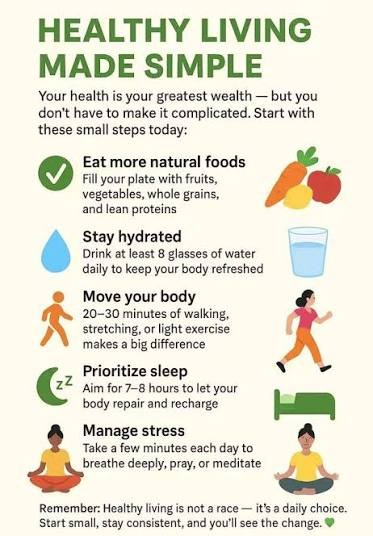
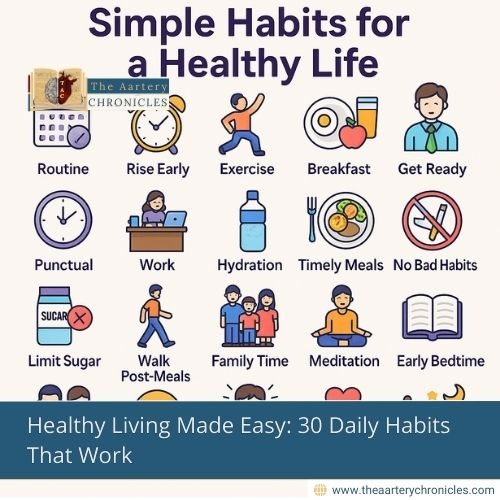
Stay Hydrated: Drink enough water throughout the day to support digestion, maintain normal body functions, and regulate body temperature.

Prioritize Quality Sleep: Aim for enough sleep each night on a consistent schedule to support focus, mood, energy, and overall health.

Move Your Body Daily: Engage in regular physical activity, such as walking, stretching, or suitable exercises, to support fitness and well-being.
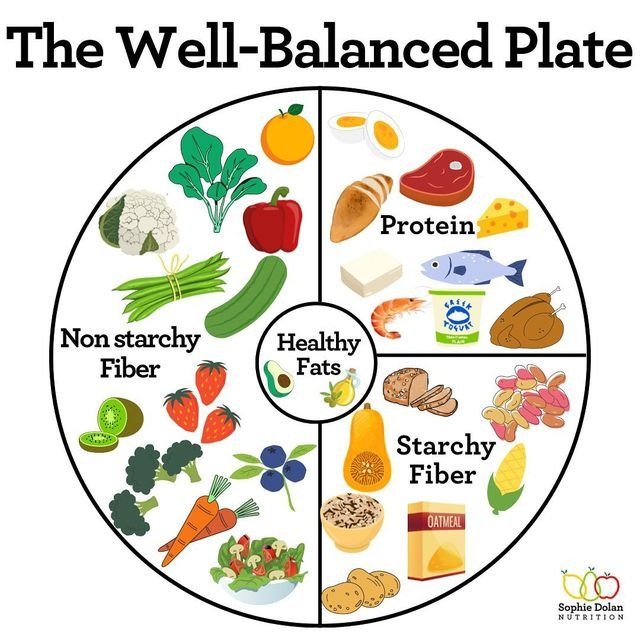
Eat a Balanced Diet: Fill your meals with fruits, vegetables, whole grains, and protein-rich foods while limiting highly processed foods and excessive added sugars.
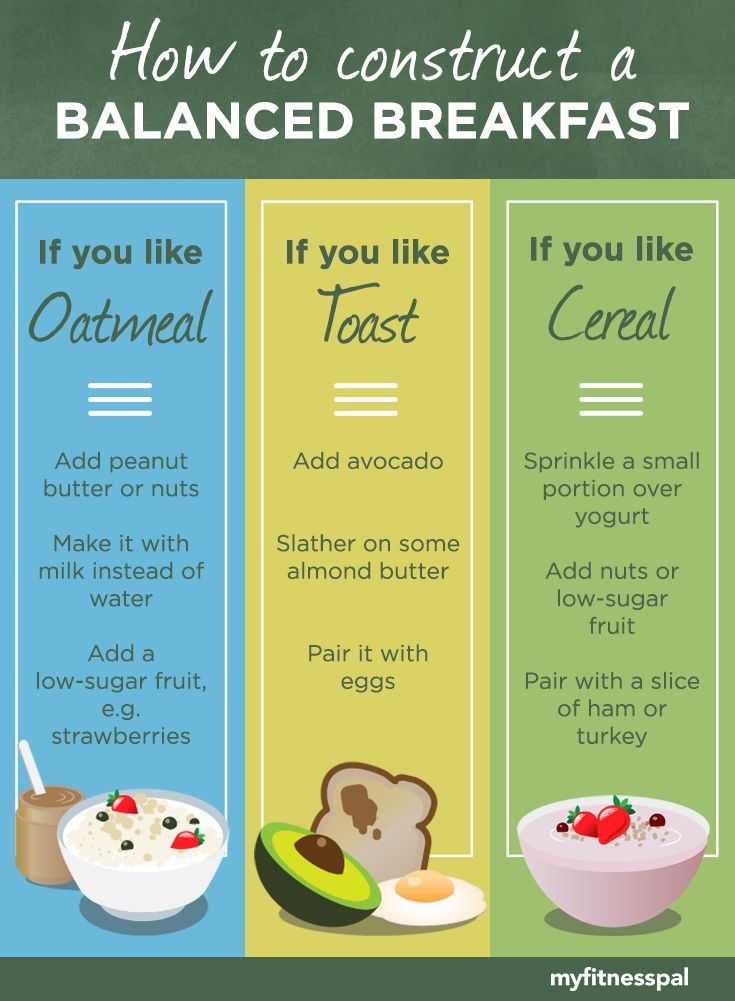
Do Not Skip Breakfast: Start your day with a nutritious meal containing fiber and protein to provide energy and support a balanced diet.
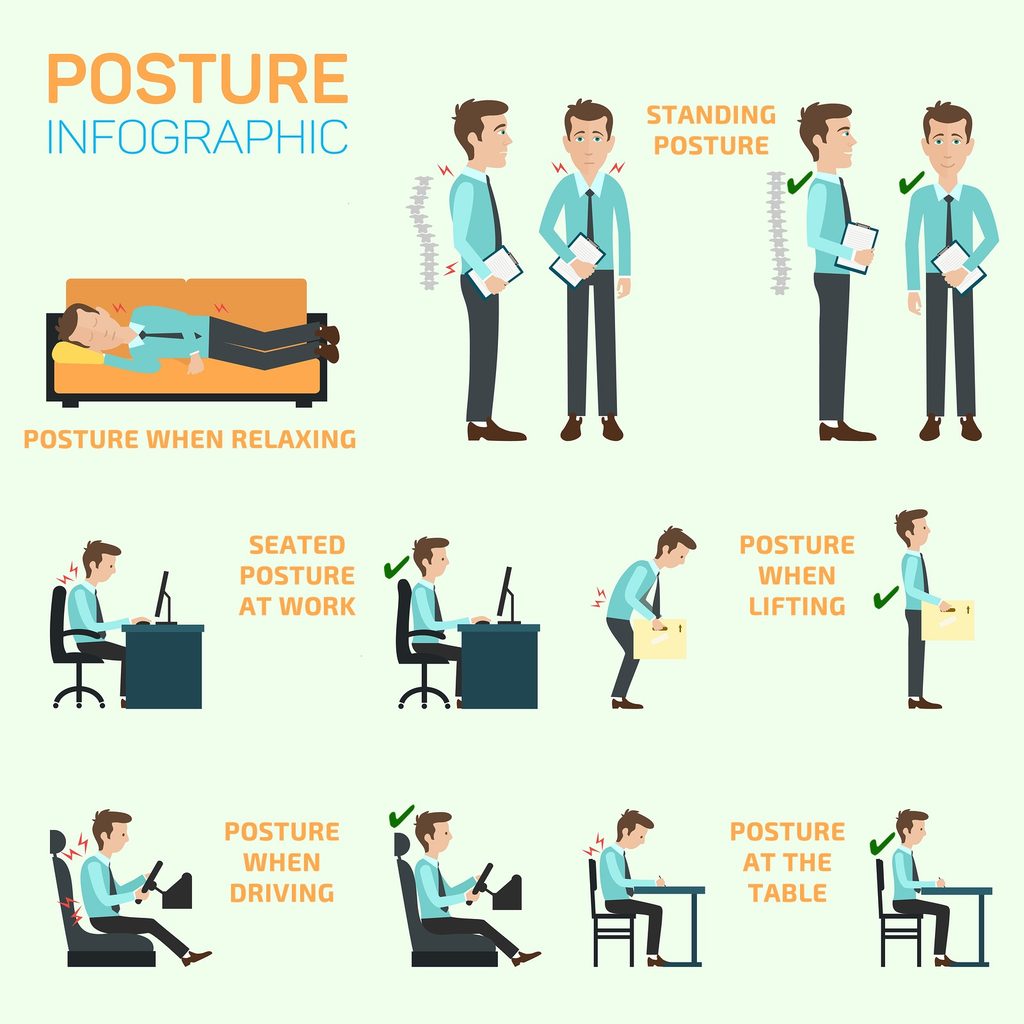
Practice Good Posture: Pay attention to your posture while sitting, studying, or using devices to reduce unnecessary muscle and joint strain.

Manage Stress: Spend a few minutes each day practicing deep breathing, relaxation, or quiet reflection to support mental well-being.

Protect Your Skin: Use appropriate sun protection when spending time outdoors to help protect your skin from excessive ultraviolet exposure.
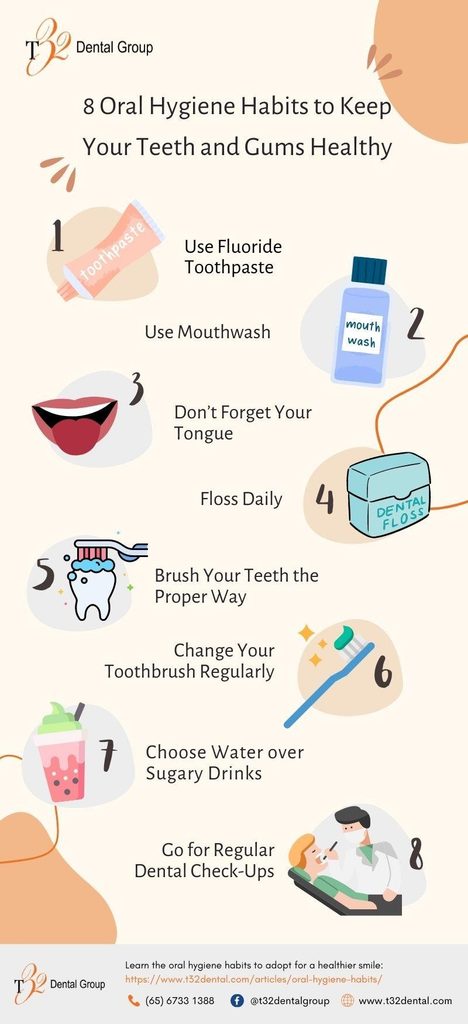
Maintain Oral Hygiene: Brush your teeth twice a day and clean between your teeth regularly to maintain good oral health.
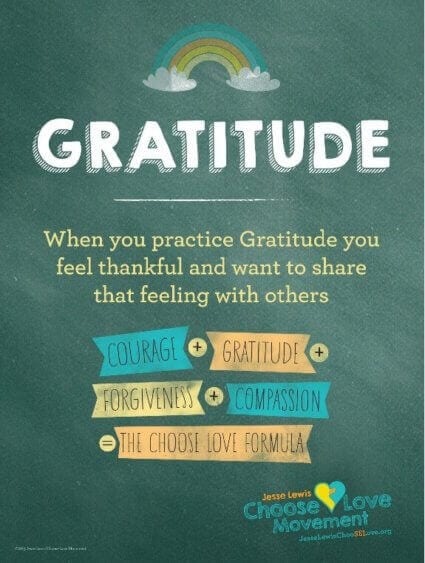
Practice Gratitude: Take a moment to appreciate positive things in your life, which can encourage a healthy and positive mindset.
Morning Habits

Drinking a glass of water after waking up can help rehydrate your body after several hours of sleep. It supports normal digestion, circulation, and temperature regulation. Water may also help you feel refreshed as you begin your day. There is no need to drink excessive amounts; simply stay hydrated according to your thirst and daily needs.

Spending some time outdoors in natural morning light can support your body’s internal clock and may help you feel more alert during the day. Natural light also contributes to vitamin D production when sufficient skin is exposed to sunlight. However, sunlight intensity varies, so avoid prolonged exposure and use sun protection when needed.

An early morning walk or exercise can support heart health, muscle strength, physical fitness, mood, and daily energy. Regular movement can also support better sleep and help establish an active lifestyle. Choose activities that are appropriate for your age and fitness level.
Daytime Habits

Choose a variety of nutritious foods throughout the day. Include fruits, vegetables, whole grains, and protein sources such as eggs, beans, lentils, fish, or lean meat. Healthy fats can come from foods such as nuts and seeds. Drinking enough water and limiting highly processed foods, sugary drinks, and excessive salt can also support a balanced lifestyle.

Taking regular screen breaks can help reduce temporary eye strain and discomfort during long periods of screen use. Short breaks also encourage movement and can refresh concentration. The 20-20-20 approach is a simple option: every 20 minutes, look at something about 20 feet away for 20 seconds.
Night Habits

Reducing phone, tablet, and other screen use before bedtime can help create a calmer bedtime routine. A screen-free period may make it easier to relax and prepare for sleep. Reading, gentle stretching, or quiet activities can be useful alternatives.

Going to bed and waking up at consistent times can support healthy sleep habits. Adequate sleep helps the body and mind recover and supports concentration, mood, energy, and everyday performance.
Conclusion
A healthy life is not created by one major change; it is built through small, consistent choices repeated every day. Simple daily habits can have a meaningful impact on both physical health and mental well-being when they become part of our normal routine. From the moment we wake up until we go to bed, the choices we make can influence our energy, concentration, mood, sleep, and overall quality of life.
Starting the morning with water, natural light, and suitable physical activity can create a positive foundation for the day. During the daytime, nutritious foods and regular screen breaks can support the body and mind. At night, reducing screen use and maintaining a consistent sleep schedule can help prepare the body for restful sleep.
Ultimately, good health does not require perfection. It requires consistency, balance, and patience. Drinking water, eating nutritious food, staying active, taking breaks, managing stress, and sleeping on time may seem like small actions, but together they can contribute to a healthier lifestyle. The most important step is to start with simple habits and gradually make them a natural part of everyday life.