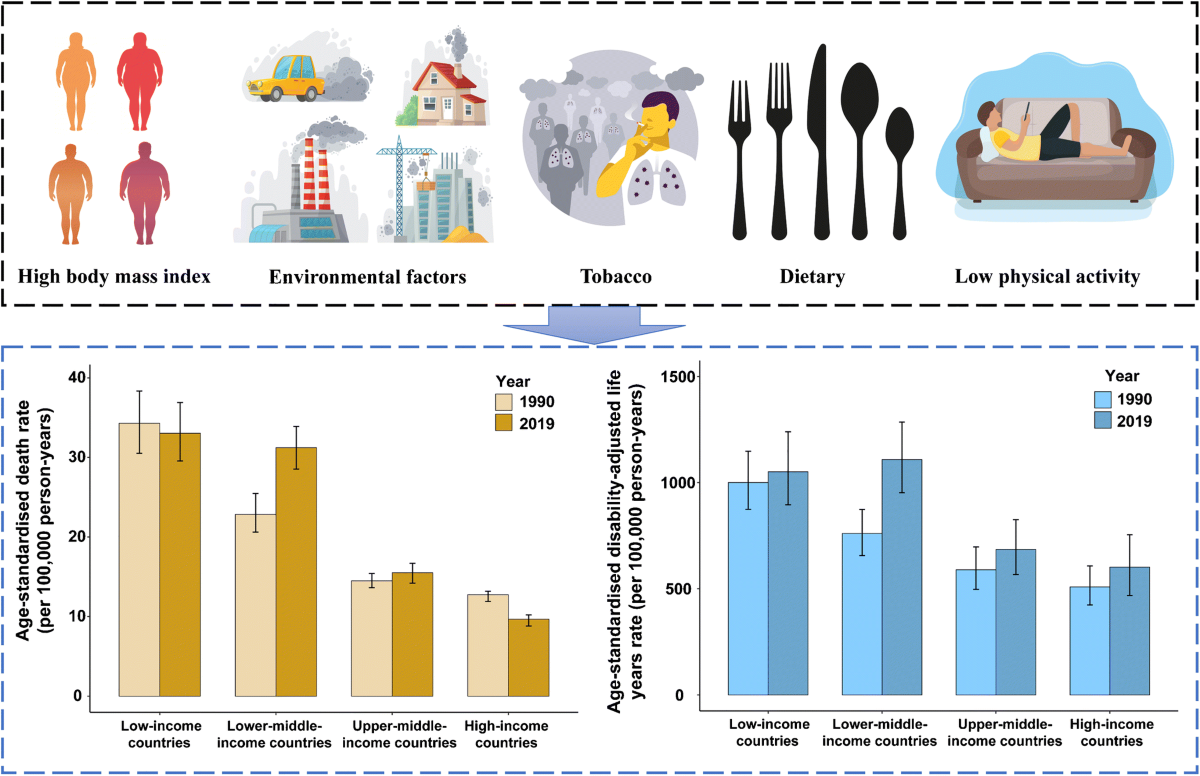

Diabetes has become one of the most important health challenges in the modern world. Millions of people live with diabetes, and the number continues to increase across many countries. Changes in lifestyle, eating habits, physical activity, sleep patterns, stress, urbanization, and access to healthcare have all contributed to this growing problem.
One interesting way to understand some of these changes is through the idea of the “comfort zone.” Modern life has made many everyday activities easier and more convenient. We can order food without leaving home, work or study while sitting for long periods, travel short distances by car, and spend hours using smartphones, computers, televisions, and other digital devices.
But can living in a comfort zone contribute to the worldwide increase in diabetes?
The answer is more complicated than simply saying “comfort causes diabetes.” Diabetes is a complex disease influenced by genetics, age, body composition, diet, physical activity, sleep, certain medical conditions, medications, pregnancy, and social and environmental factors. However, a lifestyle that involves too little physical activity and frequent consumption of highly processed, energy-dense foods can increase the risk of type 2 diabetes.
Understanding this connection can help people make healthier choices without believing that diabetes is simply the result of personal behavior.
What Is Diabetes?
Diabetes is a chronic condition in which blood glucose, commonly called blood sugar, becomes too high.
Glucose is an important source of energy for the body. It comes from the foods we eat and is also produced by the body. The hormone insulin helps glucose move from the bloodstream into cells, where it can be used for energy.
When the body does not produce enough insulin, does not use insulin effectively, or both, blood glucose can rise.
There are several major types of diabetes.
Type 1 Diabetes
Type 1 diabetes is an autoimmune condition. The immune system attacks insulin-producing cells in the pancreas. People with type 1 diabetes need insulin to survive.
Lifestyle choices do not cause type 1 diabetes.
Type 2 Diabetes
Type 2 diabetes is the most common form. It develops through a combination of genetic, metabolic, environmental, and lifestyle factors.
Insulin resistance is an important feature of type 2 diabetes. Over time, the pancreas may also struggle to produce enough insulin to keep blood glucose within a healthy range.
Physical inactivity, unhealthy dietary patterns, excess body fat, genetics, increasing age, and other factors can contribute to the risk.
Gestational Diabetes
Gestational diabetes develops during pregnancy. It can increase health risks during pregnancy and can also increase the mother’s future risk of developing type 2 diabetes.
Therefore, when discussing the global rise in diabetes, it is especially important to distinguish between different forms of the disease.
What Does “Comfort Zone” Mean in Modern Life?
The phrase comfort zone usually describes a lifestyle in which we avoid unnecessary effort, inconvenience, or physical discomfort.
Technology and modern infrastructure have made life more convenient in many positive ways.
For example, people can:
- Order groceries through a smartphone
- Work remotely
- Shop online
- Use elevators instead of stairs
- Drive instead of walking
- Order restaurant meals for delivery
- Spend entertainment time watching videos
- Communicate without traveling
- Use machines to perform physical tasks
These developments are not inherently bad. In many situations, convenience saves time, improves accessibility, and makes life easier for people with disabilities or health limitations.
The concern arises when convenience systematically replaces movement and healthy daily habits.
A person may wake up, sit in a vehicle, sit at work or school, sit during meals, return home in a vehicle, and then spend the evening sitting in front of a screen.
This pattern can dramatically reduce daily physical activity.
The Connection Between Inactivity and Diabetes
Physical activity plays an important role in metabolic health.
When muscles are active, they use glucose for energy. Regular physical activity can also improve insulin sensitivity, meaning the body may use insulin more effectively.
By contrast, prolonged sedentary behavior means the body spends more time using very little energy.
This does not mean that sitting for a certain number of hours automatically causes diabetes. Diabetes is not that simple.
However, low physical activity and prolonged sedentary behavior are associated with a higher risk of type 2 diabetes.
This is one reason the modern comfort-oriented lifestyle deserves attention.
How Physical Activity Helps the Body

Regular movement can provide several benefits:
- It helps muscles use glucose.
- It can improve insulin sensitivity.
- It supports cardiovascular health.
- It helps maintain muscle strength.
- It can support healthy body composition.
- It may improve sleep.
- It can reduce stress.
- It can contribute to better overall metabolic health.
Physical activity does not have to mean intense exercise.
Walking, cycling, recreational sports, household activities, active transportation, and other forms of movement can all contribute to a more active lifestyle.
The Food Side of the Comfort Zone
The modern comfort zone is not only about sitting.
It can also influence what people eat.
Food delivery services, fast-food restaurants, packaged snacks, sugary drinks, and highly processed foods are widely available in many parts of the world.
Again, these foods are not automatically responsible for diabetes, and individual foods should not be blamed for a complex disease.
The bigger concern is overall dietary patterns.
A dietary pattern dominated by highly processed foods, sugary beverages, refined carbohydrates, and excessive calories may contribute to weight gain and metabolic problems in some people.
At the same time, diets containing vegetables, fruits, whole grains, legumes, nuts, seeds, and other nutritious foods can support overall health.
Sugary Drinks and Diabetes Risk
Sugar-sweetened beverages deserve particular attention because they can provide substantial amounts of added sugar without making a person feel as full as a solid meal.
Regularly consuming large quantities of sugary beverages can contribute to excessive calorie intake and weight gain.
Examples include:
- Regular soft drinks
- Some sweetened energy drinks
- Sweetened fruit-flavored drinks
- Some heavily sweetened teas and coffees
Water and unsweetened beverages are generally simpler choices for everyday hydration.
Technology: Helpful Tool or Health Challenge?
Technology itself does not cause diabetes.
In fact, technology can support health.
Smartphones can remind people to move. Fitness trackers can record activity. Online healthcare services can improve access to information. Digital tools can help some people monitor blood glucose and communicate with healthcare professionals.
The problem occurs when technology encourages an increasingly sedentary lifestyle.
A child may spend hours gaming instead of playing outside.
A teenager may spend long periods scrolling through social media.
An adult may work at a computer for most of the day and then spend the evening watching television.
The important issue is not whether technology is “good” or “bad.” The goal is to use technology without allowing it to eliminate healthy movement and real-world activity.
Urbanization and the Changing Lifestyle
Urbanization has changed how people live.
Cities can offer better access to education, healthcare, employment, transportation, and services. However, urban environments can also change physical activity and eating patterns.
In some communities, people increasingly depend on cars or motorized transportation. Jobs may involve long periods of sitting. Fast-food outlets and convenience stores may be widely available.
Traditional lifestyles in which people walked more, performed physically demanding work, and prepared food at home may gradually change.
These changes can contribute to broader patterns associated with metabolic disease.
Stress and Diabetes
Stress is another important part of modern life.
Students may experience academic pressure. Adults may face workplace demands, financial concerns, family responsibilities, and social pressures.
Stress itself is not a simple direct cause of diabetes.
However, chronic stress can influence behaviors and biological processes that may affect health.
For example, some people respond to stress by:
- Eating more highly processed foods
- Sleeping poorly
- Avoiding physical activity
- Spending more time on screens
- Consuming sugary beverages
Stress can therefore become part of a cycle of unhealthy habits.
Learning healthy ways to manage stress can support overall well-being.
Sleep and Metabolic Health
Modern comfort and technology can also affect sleep.
People may stay awake late using smartphones, watching entertainment, gaming, studying, or working.
Poor sleep is associated with several health problems, and insufficient or disrupted sleep may also affect metabolic health.
A healthy lifestyle therefore involves more than diet and exercise.
Sleep should be considered an important part of the overall picture.
Good sleep habits can include maintaining a regular sleep schedule, creating a comfortable sleep environment, and limiting stimulating activities close to bedtime.
Why Diabetes Is Increasing Worldwide
The global increase in diabetes cannot be explained by one factor.
Several forces can interact.
1. Population Growth
As the global population grows, the total number of people living with diabetes can increase.
2. Population Aging
The risk of type 2 diabetes generally increases with age, although it can affect younger people as well.
3. Urbanization
Urban lifestyles can change physical activity, transportation, food access, and employment patterns.
4. Dietary Changes
In many populations, traditional diets have increasingly been replaced or supplemented by processed and commercially prepared foods.
5. Physical Inactivity
Modern work and transportation can reduce everyday movement.
6. Genetic Factors
Genetics influence a person’s susceptibility to diabetes.
7. Socioeconomic Conditions
Income, education, food availability, neighborhood design, healthcare access, and working conditions can all influence health.
8. Environmental Factors
The broader environment can shape opportunities for physical activity and healthy eating.
This is why blaming individuals alone is not an adequate explanation.
The Comfort Zone Is a Risk Environment, Not a Single Cause
It is useful to think of the comfort zone as a risk environment rather than a direct cause.
Imagine two people.
Person A spends most of the day sitting, frequently drinks sugary beverages, rarely exercises, sleeps poorly, and regularly eats highly processed foods.
Person B also uses technology and enjoys convenient services but walks regularly, eats a varied diet, sleeps adequately, and remains physically active.
Both live in the modern world.
But their overall lifestyle patterns are different.
The lesson is that convenience itself is not the enemy.
The problem is when convenience consistently encourages behaviors that are harmful to metabolic health.
Small Changes Can Make a Difference
People do not necessarily need to completely transform their lives overnight.
Small changes can make daily life more active.
Instead of:
Always using the elevator
Try using stairs when appropriate and safe.
Instead of:
Sitting continuously for long periods
Take short movement breaks.
Instead of:
Driving every short distance
Walk or cycle when the distance and environment make it practical and safe.
Instead of:
Drinking sugary beverages throughout the day
Choose water or unsweetened drinks more often.
Instead of:
Spending every break on a screen
Use some breaks for movement.
These simple changes can add up over time.
Walking: A Simple Form of Movement
Walking is one of the easiest forms of physical activity for many people.
It does not require expensive equipment or a gym membership.
People can walk:
- Around their neighborhood
- In a park
- During appropriate breaks
- While running errands
- With friends or family
- As part of their daily commute when practical
The amount and intensity of activity appropriate for an individual can vary. People with medical conditions or significant health concerns should ask a healthcare professional for personalized advice.
What Should Families Do?
Healthy habits are easier to maintain when the whole family participates.
Families can encourage:
- Regular movement
- Balanced meals
- Water as a primary beverage
- Outdoor activities
- Consistent sleep routines
- Reasonable screen time
- Healthy meal preparation
- Positive attitudes toward health
The goal should not be punishment or extreme dieting.
Instead, families can make healthy choices normal parts of everyday life.
What Can Schools Do?
Schools also have an important role.
Children and teenagers spend a large part of their day in educational environments.
Schools can support health by providing opportunities for physical activity, teaching nutrition and health literacy, and creating environments where students can develop sustainable healthy habits.
Physical education should not be viewed only as a competitive activity.
It can teach young people that movement can be enjoyable and useful throughout life.
What Can Workplaces Do?
Many modern jobs involve sitting for long periods.
Employers can support healthier routines by encouraging reasonable movement breaks, creating opportunities for walking, and designing work environments that support employee well-being.
A workplace does not have to eliminate sitting.
The goal is to avoid making uninterrupted sitting the default behavior for the entire day.
The Role of Governments and Communities
Individual choices matter, but public health also depends on the environment.
Governments and communities can support healthier lifestyles through:
- Safe walking areas
- Parks and recreational spaces
- Accessible healthcare
- Nutrition education
- Healthy school meals
- Public awareness campaigns
- Policies that support healthier food environments
- Better opportunities for physical activity
When healthy choices become easier and more affordable, people are more likely to adopt them.
Diabetes Prevention Is Not About Perfection
One of the biggest mistakes people can make is believing they need a perfect lifestyle.
Health does not require perfection.
Someone can occasionally enjoy a dessert, eat at a restaurant, watch television, or spend time on a smartphone while still maintaining an overall healthy lifestyle.
The important question is what happens most of the time.
A balanced lifestyle is generally more sustainable than extreme restrictions.
Avoiding the Blame Game
It is also important not to blame people who develop diabetes.
A person can develop type 2 diabetes despite making healthy choices.
Genetics, age, family history, pregnancy, medications, socioeconomic conditions, and other factors can influence risk.
Diabetes should therefore be approached with understanding rather than judgment.
People living with diabetes deserve proper medical care, support, education, and respect.
How Healthcare Can Help
Regular healthcare can help identify diabetes and related risk factors.
People who have risk factors for diabetes may benefit from discussing screening with a healthcare professional.
If someone experiences symptoms such as unusual thirst, frequent urination, unexplained weight changes, persistent fatigue, or blurred vision, they should seek medical advice rather than attempting to diagnose themselves.
Some people can have diabetes without obvious symptoms, which is another reason appropriate screening matters.
The Future of Diabetes Prevention
The future of diabetes prevention will likely require a combination of individual, technological, medical, and community approaches.
Technology can be used to encourage movement instead of only encouraging sitting.
Cities can be designed to make walking and cycling easier.
Healthcare systems can identify high-risk individuals earlier.
Schools can teach healthy habits from a young age.
Food environments can provide more nutritious choices.
Individuals can make realistic changes to their daily routines.
No single solution will solve the diabetes problem.
Conclusion
So, is the comfort zone causing the rapid increase in diabetes worldwide?
Not directly.
The “comfort zone” is better understood as one part of a much larger lifestyle and environmental shift. Modern convenience can reduce physical activity, encourage sedentary behavior, influence dietary habits, disrupt sleep, and contribute to patterns associated with type 2 diabetes risk.
However, diabetes is a complex disease. Genetics, age, family history, body composition, diet, physical activity, socioeconomic factors, pregnancy, medications, and other conditions can all play roles.
The answer is therefore not to reject modern technology or convenience.
Instead, we should learn to use convenience wisely.
We can enjoy technology while still moving our bodies. We can use food-delivery services while making nutritious choices. We can work at computers while taking movement breaks. We can enjoy entertainment while protecting our sleep.
The goal is not to leave the comfort zone completely.
The goal is to create a healthier comfort zone—one in which movement, nutritious food, adequate sleep, and preventive healthcare are normal parts of everyday life.
As diabetes continues to affect communities around the world, creating healthier environments may be just as important as encouraging individual responsibility. A healthier future will require people, families, schools, workplaces, healthcare systems, technology companies, communities, and governments to work together.
Modern life should make our lives easier—but it should not make healthy living harder.