The immune system is one of the body’s most important defense systems. It protects us from infections, helps the body respond to harmful organisms, and plays an important role in maintaining overall health. Because young people are generally considered to be in one of the healthiest stages of life, concerns about immune health among children, teenagers, and young adults deserve careful attention.
But is the immune system of today’s youth actually becoming weaker?
The answer is not as simple as saying that young people’s immune systems have universally deteriorated. Immune function is influenced by many factors, including genetics, nutrition, sleep, physical activity, stress, infections, underlying medical conditions, environmental exposures, and access to healthcare.
What has changed significantly is the environment in which young people grow up. Modern lifestyles can involve less physical activity, more sedentary time, changing dietary patterns, irregular sleep, high academic or social pressures, and extensive use of digital technology.
For example, recent U.S. CDC data found that high-school students were not consistently meeting recommended levels of healthy dietary, physical-activity, and sleep behaviors, while several of these behaviors showed unfavorable trends over the 2013–2023 period.
This does not prove that smartphones, processed foods, or lack of exercise directly “destroy” the immune system. Instead, it highlights a broader public-health challenge: young people may be developing lifestyle patterns that can influence long-term physical and metabolic health.
Understanding the Immune System
The immune system is a complex network involving cells, tissues, organs, and biological processes.
It includes components such as:
- White blood cells
- Antibodies
- Bone marrow
- Lymph nodes
- The spleen
- The thymus
- The skin and mucous membranes
- The gut and its microbial environment
The immune system has to maintain a delicate balance.
It must recognize and respond to threats while avoiding excessive reactions against the body’s own tissues.
This means that “strong immunity” is not simply about having the highest possible immune response. A healthy immune system needs to be appropriately regulated.
That distinction is important when discussing young people’s health.
Why Are Young People Important?
Adolescence is a major period of physical, cognitive, and social development.
The World Health Organization defines adolescence as ages 10–19 and describes it as an important stage for establishing patterns of behavior that can influence health throughout life.
During these years, young people develop habits involving:
- Food
- Physical activity
- Sleep
- Screen use
- Stress management
- Healthcare
- Social relationships
These behaviors can continue into adulthood.
Therefore, even when a teenager appears healthy today, lifestyle patterns established during adolescence can have consequences later.
1. Lack of Sleep
Sleep is one of the most overlooked aspects of health.
Teenagers often have demanding school schedules, homework, social activities, entertainment, and digital communication. These factors can push bedtime later and make it difficult to obtain adequate sleep.
Sleep is closely connected with the body’s biological systems, including immune regulation.
Research involving European adolescents has examined relationships between sleep duration and immune-related markers, finding differences in immune profiles according to sleep duration.
The CDC also notes that insufficient sleep among children and adolescents is associated with a range of health and behavioral problems.
This does not mean that missing sleep on one night causes an immune disorder.
The concern is persistent insufficient or irregular sleep.
Why Sleep Matters
During sleep, the body carries out important biological processes.
Adequate sleep supports:
- Normal development
- Learning and memory
- Emotional regulation
- Physical recovery
- Metabolic health
- General immune function
For teenagers, commonly recommended sleep duration is around 8–10 hours per night, although individual needs can vary.
Creating healthier sleep routines is therefore an important part of supporting young people’s overall health.
2. Poor Nutrition
Nutrition provides the raw materials the body needs to grow and function.
Young people need adequate amounts of protein, carbohydrates, healthy fats, vitamins, minerals, and other nutrients.
However, dietary patterns can become unbalanced when meals are frequently replaced with highly processed foods, sugary beverages, or snacks with limited nutritional value.
At the same time, food insecurity can create a completely different problem: young people may not have reliable access to enough nutritious food.
These situations demonstrate that nutrition problems are not always about individual choices.
The WHO identifies undernutrition, overweight, obesity, and micronutrient deficiencies as important adolescent nutrition challenges.
Micronutrients and Immune Function
Several nutrients are involved in normal immune processes.
Examples include:
- Iron
- Zinc
- Vitamin A
- Vitamin C
- Vitamin D
- Folate
- Vitamin B12
- Selenium
A deficiency does not automatically mean someone has a “weak immune system,” and taking supplements without a medical reason is not necessarily beneficial.
The better approach is generally to obtain nutrients from a varied diet and seek professional advice if a deficiency is suspected.
3. Physical Inactivity
Human bodies are designed for movement.
Yet modern young people can spend substantial portions of their day sitting in classrooms, studying, traveling, using computers, playing video games, or watching videos.
WHO estimates that only about one in five adolescents globally met recommended physical-activity levels in 2016.
WHO recommends that children and adolescents average at least 60 minutes of moderate-to-vigorous physical activity per day across the week.
Physical activity supports much more than fitness.
It contributes to:
- Cardiovascular health
- Metabolic health
- Muscular development
- Bone health
- Mental well-being
- Healthy body composition
Physical activity also interacts with other health behaviors, including sleep and nutrition.
4. Too Much Sedentary Time
Physical inactivity and sedentary behavior are related but not identical.
A young person might participate in sports for an hour but still spend many other hours sitting.
WHO recommends limiting sedentary time, particularly recreational screen time, among children and adolescents.
The goal is not to eliminate screens.
Digital technology is an important part of modern education and communication.
Instead, young people need a reasonable balance between:
Screen time + study + sleep + movement + outdoor activity + social connection.
5. Chronic Stress
Stress is another factor that deserves attention.
Young people can experience pressure from:
- School
- Exams
- Family expectations
- Friendships
- Social media
- Financial circumstances
- Uncertainty about the future
- Major life changes
Short-term stress is a normal part of life.
The concern is prolonged stress without adequate recovery.
Stress can also indirectly influence health behaviors. Someone who is overwhelmed may sleep less, exercise less, eat irregularly, or spend more time using screens.
This creates a cycle in which several health behaviors influence one another.
6. The Digital Lifestyle
Technology has transformed childhood and adolescence.
Young people can learn, communicate, create, and access information through digital devices.
These are major benefits.
However, excessive recreational screen use can displace activities that support health.
For example, several hours of screen entertainment might replace:
- Outdoor play
- Walking
- Sports
- Face-to-face social interaction
- Sleep
- Family activities
The technology itself is not necessarily the problem.
The important question is:
What is screen use replacing?
If technology is replacing sleep, movement, meals, or meaningful social interaction, the overall lifestyle may become less healthy.
7. Environmental Factors
Young people’s health is also shaped by their environment.
Air pollution, poor housing conditions, inadequate sanitation, limited access to nutritious food, and other environmental challenges can influence health.
These factors are particularly important because young people cannot always control their surroundings.
That means improving youth health requires more than telling teenagers to “make better choices.”
Communities, schools, healthcare systems, and governments also have responsibilities.
8. Infections and the Immune System

Young people naturally encounter infectious organisms.
Exposure to viruses and bacteria is part of normal life.
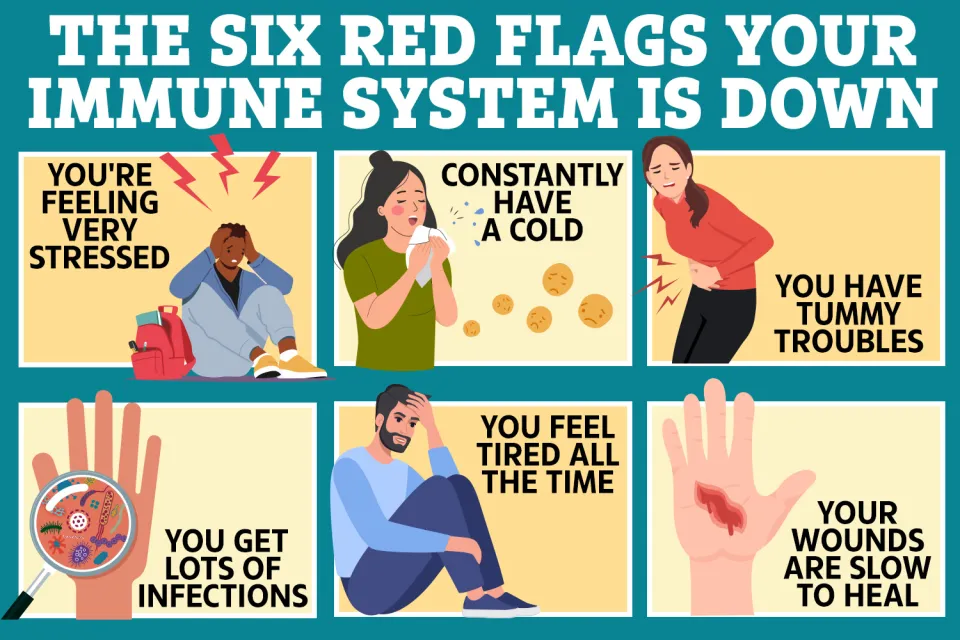
Getting an occasional cold or respiratory infection does not necessarily mean that someone’s immune system is weak.
Similarly, having several illnesses during a particular season does not automatically indicate immune deterioration.
People can experience different numbers and types of infections for many reasons, including exposure, season, living conditions, school environments, and individual susceptibility.
A healthcare professional should evaluate unusual or persistent patterns of illness rather than assuming they are caused by a weak immune system.
9. The Gut and Immune Health
The digestive system and immune system are closely connected.
The gut contains a large community of microorganisms known collectively as the gut microbiome.
Diet, medications, illness, and other factors can influence this microbial environment.
However, online health discussions sometimes exaggerate the microbiome by claiming that one food or supplement can “reset” immunity.
The reality is considerably more complicated.
A diverse, balanced diet is generally more useful than chasing individual “immune-boosting” products.
10. Why the Problem Is Difficult to Measure
One major challenge is that immune health is not a single number.
There is no universal test that can simply tell a healthy teenager:
“Your immunity is 80%.”
The immune system contains many components.
Researchers can measure particular immune cells, antibodies, inflammatory markers, and other biological indicators, but these measurements do not always translate into a simple overall score.
Therefore, claims that “today’s youth have weaker immune systems than previous generations” require strong evidence.
Lifestyle trends can be documented, but they should not automatically be interpreted as proof of population-wide immune deterioration.
Is This a Serious Global Challenge?
Yes—but the challenge is broader than simply “weak immunity.”
The larger concern is the combination of lifestyle, environmental, nutritional, mental-health, and healthcare factors affecting young people.
WHO emphasizes that adolescence is a crucial period for establishing behaviors that can protect health or increase health risks later in life.
Poor diet and low physical activity can begin early and contribute to health problems later.
This makes youth health an important long-term public-health investment.
The Connection Between Today’s Habits and Tomorrow’s Health
A teenager who regularly sleeps poorly, rarely moves, eats a highly unbalanced diet, and experiences chronic stress may not immediately develop a serious disease.
The body can compensate for many unhealthy patterns for a period of time.
But repeated unhealthy behaviors can gradually contribute to broader health risks.
This is why prevention is so important.
The objective is not to scare young people.
It is to help them understand that everyday habits matter.
What Can Parents Do?
Parents and caregivers can create supportive environments without turning health into punishment.
Useful approaches include:
- Keeping regular family meal times
- Encouraging outdoor activity
- Supporting adequate sleep
- Making nutritious foods available
- Creating reasonable screen boundaries
- Listening to young people’s concerns
- Encouraging regular healthcare when needed
The focus should be on support rather than shame.
What Can Schools Do?

Schools can also make a significant difference.
They can support health through:
- Physical education
- Nutritious food options
- Health education
- Mental-health support
- Adequate opportunities for movement
- Sleep education
- Safe outdoor spaces
Young people spend many hours at school, making schools an important environment for prevention.
What Can Communities Do?
Communities can make healthy behavior easier.
Examples include:
- Safe parks
- Walking paths
- Sports facilities
- Affordable nutritious foods
- Accessible healthcare
- Clean environments
- Youth-friendly health services
When healthy options are affordable and accessible, individuals have more realistic opportunities to use them.
What Should Young People Do?
Young people do not need to follow extreme diets or complicated routines.
A few basic habits can provide a strong foundation.
Get Enough Sleep
Create a consistent sleep schedule whenever possible.
Eat a Varied Diet
Include a variety of nutritious foods rather than focusing on one “superfood.”
Move Regularly
Walking, sports, cycling, dancing, playing, or other enjoyable activities can all contribute to physical activity.
Take Breaks From Sitting
Get up and move around during long periods of studying or screen use.
Manage Stress
Talking with a trusted adult, spending time with supportive friends and family, exercising, and using healthy relaxation activities can help.
Avoid Self-Diagnosis
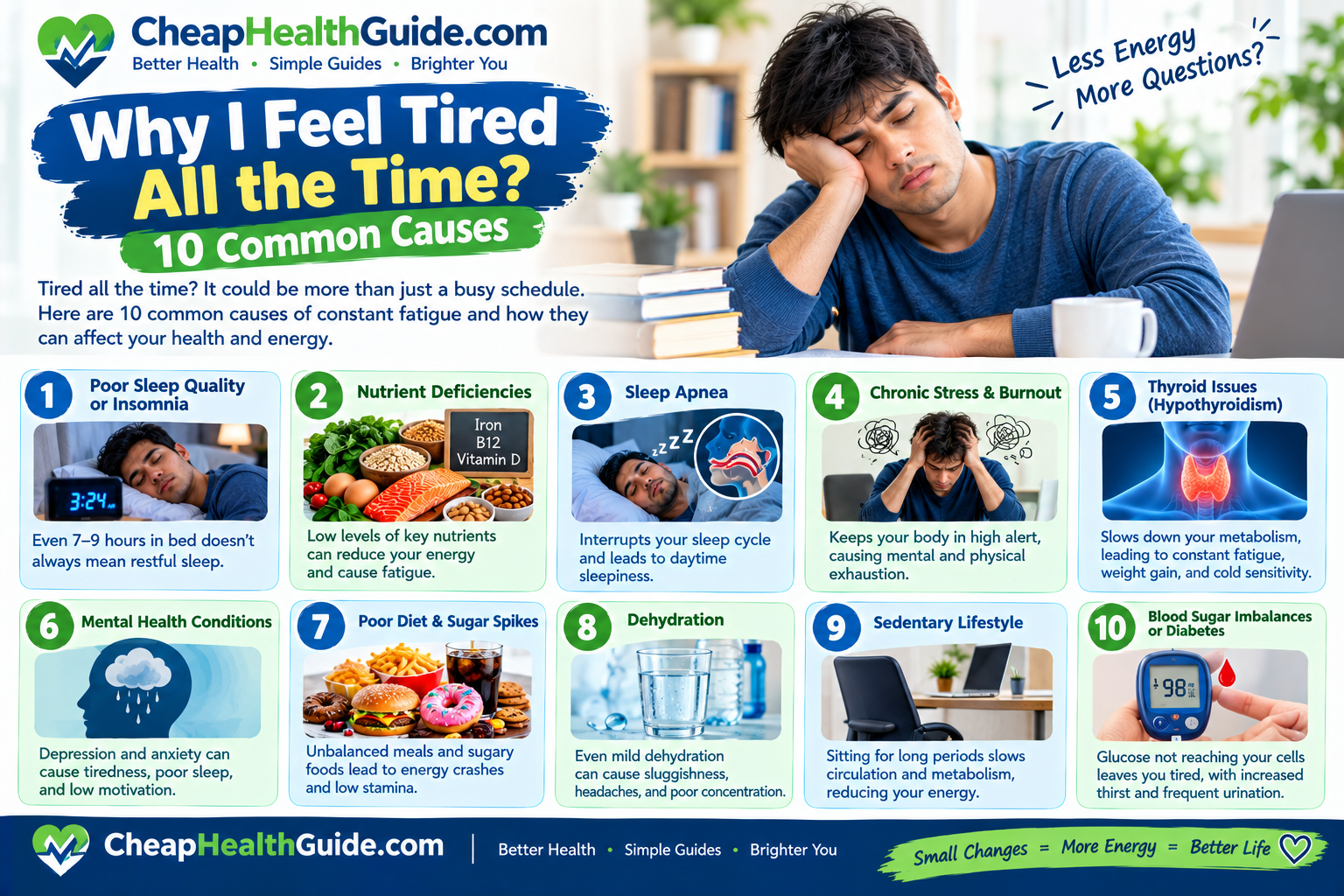
Frequent illness, persistent fatigue, or other concerning symptoms should be discussed with a healthcare professional rather than automatically being labeled as “weak immunity.”
The Danger of “Immune-Boosting” Claims
The internet is full of products claiming to dramatically strengthen immunity.
These include supplements, drinks, powders, special diets, and herbal products.
People should be cautious.
The immune system is complex, and more immune activity is not necessarily better.
A healthy immune system needs appropriate regulation.
For young people especially, supplements should not replace proper nutrition or professional medical advice.
A Better Definition of Immune Health
Instead of asking:
“How can I make my immune system extremely strong?”
A better question is:
“How can I support my body’s normal immune function?”
That shift leads to healthier decisions.
The answer generally involves the basics:
- Adequate sleep
- Balanced nutrition
- Regular physical activity
- Stress management
- Good hygiene
- Vaccination according to local medical recommendations
- Avoiding harmful exposures
- Appropriate medical care
The Role of Healthcare Professionals
Doctors and other qualified healthcare professionals can help distinguish normal illness from potential medical problems.
If a young person has unusually persistent infections, unexplained symptoms, significant nutritional concerns, or another health issue, professional evaluation is more reliable than online self-diagnosis.
Healthcare professionals can determine whether testing or treatment is appropriate.
A Challenge That Requires Cooperation
Youth health cannot be solved by individuals alone.
Parents, schools, healthcare professionals, communities, technology companies, food producers, policymakers, and young people all influence the environment.
WHO notes that adolescents need information, health services, life skills, and safe and supportive environments to develop in good health.
This is particularly important because young people often have limited control over their surroundings.
Looking Toward the Future
The future of youth health will depend partly on whether societies can balance technological progress with healthy human behavior.
Technology will continue to develop.
Education will continue to change.
Food systems will evolve.
Cities will grow.
Work and entertainment will become increasingly digital.
The goal should not be to return to the past.
Instead, societies should design modern lifestyles that support healthy development.
A future in which young people can use technology while remaining active, sleep adequately, eat nutritious foods, manage stress, and access healthcare is possible.
Conclusion
The question of whether immune health has deteriorated among young people is important, but it needs to be approached carefully.
There is not enough evidence to make a simple worldwide claim that young people’s immune systems are universally becoming weaker.
However, there are genuine concerns about several health behaviors affecting young people. Recent data show problems involving diet, physical activity, and sleep among adolescents, while WHO identifies poor diet, inactivity, and nutritional challenges as important issues during adolescence.
These factors can influence overall health and may interact with the body’s immune and metabolic systems.
The challenge is therefore significant—not because every young person has a damaged immune system, but because healthy development depends on building healthy environments and habits early in life.
The solution is not an expensive “immune booster.”
It is a long-term approach based on adequate sleep, nutritious food, regular movement, stress management, appropriate healthcare, vaccination, and supportive environments.
Young people should not be frightened into thinking that their immune systems are failing.
Instead, they should be given the knowledge and support needed to build healthier lives.
Healthy youth are one of the strongest foundations for a healthier future.