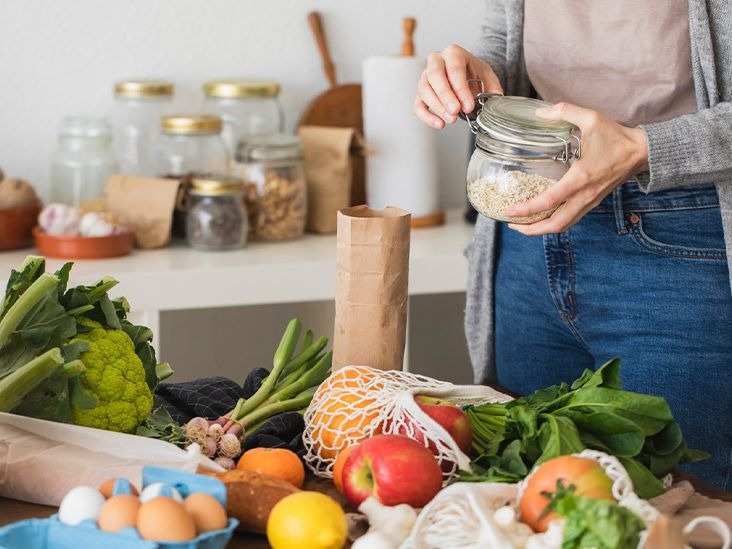
Eating healthy is often presented as something expensive.
People may associate a nutritious diet with expensive organic products, specialty foods, imported ingredients, protein products or complicated meal plans. But a healthy diet does not have to depend on premium products. Healthy Eating
In reality, some of the most nutritious foods can also be relatively affordable: beans, lentils, chickpeas, oats, potatoes, whole grains, seasonal vegetables, eggs and other basic foods can form the foundation of nutritious meals. Healthy Eating
The bigger challenge is not simply finding “cheap food.” It is learning how to spend limited money on foods that provide more nutritional value for the money.
This matters because food affordability is a genuine global issue. The 2026 State of Food Security and Nutrition in the World specifically focuses on the rising cost of healthy diets and the economic factors that influence whether people can afford nutritious food. Healthy Eating
The good news is that healthy eating does not require perfection. Healthy Eating
A practical approach is to build meals around affordable staples, choose a variety of foods, reduce unnecessary spending on highly processed convenience foods, plan before shopping and use leftovers intelligently. Healthy Eating
What Does “Healthy Eating” Actually Mean?
Before discussing money, it is important to understand what we are trying to buy. Healthy Eating
According to the World Health Organization, a healthy diet is based on four broad principles:
- Adequacy — providing the nutrients and energy the body needs.
- Balance — maintaining an appropriate balance among nutrients and energy.
- Moderation — limiting components that can be harmful when consumed excessively.
- Diversity — eating a variety of nutritious foods.
A healthy diet can look different in different countries and cultures. Healthy Eating
The foods available in Pakistan may differ from those available in the United States, Africa, Europe or Southeast Asia. Prices also vary by region and season. Healthy Eating
Therefore, there is no single “perfect cheap diet.”
The better principle is:
Choose the most nutritious foods that fit your budget, culture, preferences and nutritional needs. Healthy Eating
Why Healthy Food Can Feel Expensive
There are several reasons people may struggle to afford healthy diets. Healthy Eating
Fresh fruits and vegetables can be expensive in some locations, particularly when they are out of season.
Time can also have an economic value. Healthy Eating
Someone working long hours may find a ready-made meal easier than buying ingredients and cooking from scratch.
Marketing also affects purchasing decisions. Highly processed foods can be convenient, heavily promoted and sometimes inexpensive relative to their calorie content.
WHO notes that foods high in unhealthy fats, free sugars and salt can be widely available and relatively cheap, while affordability is an important determinant of food choices.
Therefore, the solution is not simply to tell people:
“Buy healthier food.”
A better strategy is:
“Learn which nutritious foods give you the most value from the money you have.” Healthy Eating
1. Build Meals Around Affordable Staples
One of the simplest ways to reduce food costs is to make inexpensive staple foods the foundation of meals.
Examples include: Healthy Eating
- Oats
- Rice
- Whole-grain cereals
- Potatoes
- Whole-wheat flour
- Beans
- Lentils
- Chickpeas
- Peas
WHO identifies whole grains and pulses such as lentils, chickpeas, beans and dried peas as important sources of carbohydrates and nutrients within a healthy diet.
These foods are useful because they can form the foundation of many different meals.
For example, lentils can be used in:
- Lentil soup
- Dal
- Lentil-and-vegetable bowls
- Lentil curry
- Lentil salads
The same basic ingredient can therefore appear in several meals without making the diet repetitive. Healthy Eating
2. Make Pulses a Regular Part of Your Diet
Beans, lentils and chickpeas are among the most useful budget-friendly foods.
They provide protein, carbohydrates, fiber and various micronutrients. Healthy Eating
For someone trying to stretch a food budget, pulses can be particularly useful because they can replace some more expensive protein foods in meals.
Examples include:
Lentils + rice + vegetables
Chickpeas + whole-wheat bread + salad
Beans + potatoes + vegetables
Lentil soup + whole-grain bread
This does not mean meat, fish, eggs or dairy products must be eliminated.
Instead, a practical budget strategy is to use a variety of protein sources. Healthy Eating
WHO recommends a diverse diet containing foods such as legumes, nuts, whole grains, fruits, vegetables and appropriate animal-source foods. Healthy Eating
3. Choose Seasonal Fruits and Vegetables
Fresh produce can become expensive when it is transported long distances or is out of season. Healthy Eating
One simple strategy is to buy fruits and vegetables that are abundant locally and currently in season. Healthy Eating
Seasonal produce often has advantages beyond price. Healthy Eating
It may also be:
- Fresher
- More widely available
- Easier to find locally
- More suitable for family meals
Do not assume that every fruit or vegetable must be fresh to be nutritious.
WHO specifically notes that frozen and canned fruits and vegetables can also be good choices when they do not contain added sugars or excessive sodium.
That creates additional flexibility for people on tight budgets.
4. Frozen and Canned Foods Can Be Useful
Some people believe that only fresh food counts as healthy.
That is too simplistic.
Frozen vegetables can be useful because they can be stored for longer and reduce the amount of food that goes unused.
Canned beans and vegetables can also be convenient.
When buying canned products, check the label where possible.
For example:
- Choose fruit without added sugar when available.
- Look for vegetables without excessive added sodium.
- Compare different brands.
- Rinse canned beans when appropriate to reduce some of the sodium.
The objective is not to avoid every processed food.
It is to distinguish between minimally processed foods that can be nutritious and highly processed products that may contain large amounts of sugar, salt or unhealthy fats.
WHO identifies minimally processed and unprocessed foods as important foundations of healthy diets.
5. Compare Price Per Serving, Not Just Package Price
A large package is not necessarily a better bargain.
A smaller package can sometimes provide more nutritional value per unit of money.
When comparing products, look beyond the sticker price.
Consider:
Price per kilogram
Price per liter
Number of servings
Nutritional value
How much will actually be eaten?
How much will be wasted?
USDA guidance on eating well when money is tight recommends comparing products using unit pricing and nutrition information rather than simply choosing based on package price.
This is a simple habit that can save money over time.
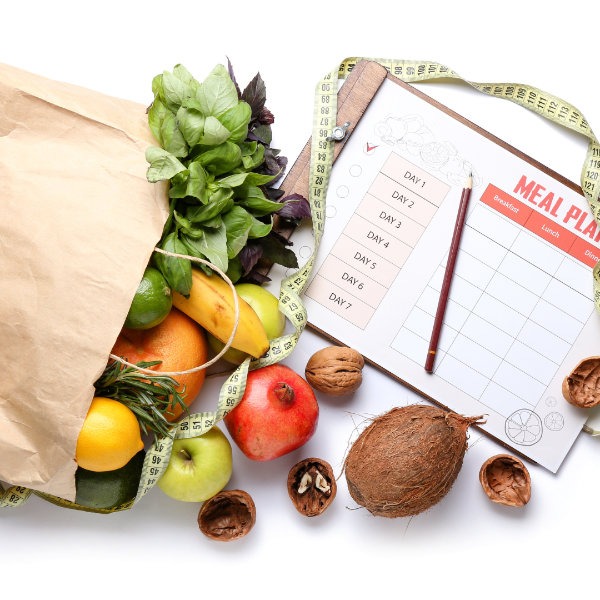
6. Plan Meals Before Going Shopping
One of the easiest ways to waste money is to shop without a plan.
Without a plan, people may buy ingredients that do not work together, forget what they already have or purchase foods that eventually spoil.
A simple weekly plan can solve much of this problem.
For example:
Breakfast
Oats + fruit
Eggs + whole-grain bread
Yogurt + fruit + oats
Lunch
Lentils + rice + vegetables
Chickpeas + salad + bread
Beans + vegetables + potatoes
Dinner
Vegetable-and-lentil soup
Rice + vegetables + protein source
Whole-wheat flatbread + beans + vegetables
The exact meals will depend on your culture, food availability and nutritional needs.
The important idea is to plan around ingredients rather than buying completely different foods for every meal.
USDA also recommends planning meals and snacks ahead of shopping and using leftovers effectively.
7. Turn One Ingredient Into Several Meals
This is one of the most effective budget strategies.
Suppose you cook a large batch of beans.
Instead of eating exactly the same meal every day, you can use them differently.
For example:
Day 1: Beans with rice and vegetables.
Day 2: Beans in a whole-wheat wrap or sandwich.
Day 3: Beans combined with vegetables and potatoes.
The same principle applies to:
- Lentils
- Chickpeas
- Rice
- Cooked vegetables
- Chicken
- Whole grains
This approach saves both money and cooking time.
8. Reduce Food Waste
Food that is thrown away is money that has already been spent.
Food waste can occur because people:
- Buy too much
- Forget what they already have
- Cook excessive portions
- Store food incorrectly
- Let fresh produce spoil
A simple inventory system can help.
Before shopping, look through:
Refrigerator
Freezer
Cupboards
Dry-food storage
Then build your shopping list around what you already own.
For example, if you already have rice and lentils, there may be no reason to buy another expensive packaged meal.
9. Use Expensive Foods Strategically
Healthy eating does not require eliminating foods that cost more.
Instead, use them strategically.
For example, if a family enjoys fish, it does not necessarily need to appear at every meal.
A weekly eating pattern can contain a mixture of:
- Beans
- Lentils
- Eggs
- Dairy
- Fish
- Poultry
- Other protein foods
The objective is dietary diversity within the available budget.
WHO emphasizes diversity as a central principle of healthy eating.
10. Don’t Confuse “Healthy” With “Premium”
A major source of unnecessary spending is the assumption that healthy food must have special packaging or a premium label.
A product marketed as:
“superfood”
“detox”
“premium wellness”
or
“fitness food”
is not automatically healthier than an ordinary food.
A basic bag of lentils may provide more practical nutritional value for a budget than an expensive snack marketed specifically to health-conscious consumers.
Read the nutrition label and ingredient list instead of relying entirely on marketing.
11. Choose Water More Often
Drinks can quietly consume a significant part of a food budget.
Sugary drinks may provide substantial calories without supplying the nutritional diversity of whole foods.
WHO recommends limiting free sugars to less than 10% of total daily energy intake for adults and children, with further reduction potentially providing additional benefits.
Water is generally the simplest everyday beverage.
Replacing frequent purchases of sugary drinks with water can therefore potentially improve both the diet and the household budget.
Individual nutritional needs vary, so people with medical conditions affecting fluid or dietary requirements should follow their healthcare professional’s advice.
12. Learn a Few Simple Cooking Methods
Healthy eating does not require complicated recipes.
Basic cooking methods can turn inexpensive ingredients into satisfying meals.
Useful methods include:
Boiling
Useful for potatoes, grains, eggs and many vegetables.
Steaming
A simple way to prepare vegetables without relying on large amounts of added fat.
Baking or roasting
Useful for vegetables, potatoes and various protein foods.
Simmering
Excellent for soups, beans and lentils.
Stir-frying
Can combine vegetables with grains and a protein source using a relatively small amount of cooking oil.
WHO recommends limiting unhealthy fats and favoring unsaturated fats over saturated and trans fats.
13. Build a Balanced Plate
You do not need a complicated mathematical formula for every meal.
A useful practical approach is to include several food groups.
For example:
Vegetables or fruit + whole grain or other staple + protein source
A meal might be:
Rice + lentils + vegetables
or
Whole-wheat bread + eggs + vegetables
or
Potatoes + beans + salad
This approach creates more dietary variety than relying heavily on a single food.
WHO recommends a diverse diet including fruits, vegetables, pulses, whole grains and appropriate protein sources.
14. Pay Attention to Fiber
Fiber is naturally present in foods such as:
- Lentils
- Beans
- Chickpeas
- Whole grains
- Vegetables
- Fruits
- Nuts and seeds
WHO recommends that people over age 10 consume at least 25 grams of naturally occurring dietary fiber per day.
You do not necessarily need expensive fiber products to increase fiber intake.
Ordinary foods can contribute substantially.
For example:
Oats + fruit
Lentils + vegetables
Beans + whole grains
Chickpeas + salad
can all contribute fiber to a varied diet.
15. Don’t Make Every Meal Perfect
Healthy eating is a pattern, not a single meal.
One inexpensive meal does not need to contain every nutrient the body requires.
Instead, think about the overall diet across days and weeks.
If one meal is simple, another meal can provide different foods.
This is one reason dietary diversity matters.
WHO and FAO emphasize that healthy diets vary according to individual circumstances, culture, food availability and preferences while retaining basic principles of adequacy, balance, moderation and diversity.
An Example of a Budget-Friendly Meal Pattern
Here is a general example—not a personalized diet plan.
Breakfast
Oats with fruit and milk or another suitable protein-rich food.
Lunch
Lentils or beans with rice or another whole grain and vegetables.
Snack
Fruit, plain yogurt or a small portion of nuts where affordable and appropriate.
Dinner
Vegetables with eggs, beans, lentils, fish, poultry or another protein source, combined with a staple food.
The exact quantities and foods should be adjusted for age, activity, culture, allergies, medical conditions and individual nutritional requirements.
A Practical Budget Shopping List
A flexible budget shopping list might include:
Staple foods
- Oats
- Rice
- Whole-wheat flour
- Potatoes
- Other locally available whole grains
Protein-rich foods
- Lentils
- Beans
- Chickpeas
- Eggs
- Milk or yogurt
- Fish or poultry when affordable
Produce
- Seasonal vegetables
- Seasonal fruit
- Frozen vegetables where useful
Healthy fats
- Nuts or seeds when affordable
- Vegetable oils rich in unsaturated fats
This is not a prescription for what every household should buy.
Prices and nutritional needs differ considerably between countries.
The principle is to prioritize foods that provide nutritional value, versatility and reasonable cost.
What About Organic Food?
Organic food can be a personal choice, but organic labeling should not be confused with the basic definition of a healthy diet.
If your budget is limited, it is generally more useful to focus first on eating a diverse diet containing nutritious foods than to spend most of the food budget on premium labels.
For example, buying a variety of ordinary vegetables, fruits, whole grains and pulses may provide greater dietary diversity than buying a small amount of expensive specialty products.
What About Supplements?
Supplements should not automatically be considered a substitute for a nutritious diet.
A healthy diet provides a combination of nutrients and other components that supplements may not reproduce.
Some people do require specific supplements because of age, pregnancy, dietary restrictions, medical conditions or diagnosed deficiencies.
But supplementation should be based on appropriate medical or nutritional advice rather than the assumption that taking more vitamins is always better.
The Most Important Budget Rule: Buy Food, Not Marketing
Food companies compete for attention.
Packaging can make ordinary products appear extraordinary.
Words such as:
Natural
Premium
Energy
Wellness
Fitness
Detox
do not by themselves determine nutritional quality.
Instead, ask:
- What ingredients are present?
- How much added sugar does it contain?
- How much sodium does it contain?
- What type of fat does it contain?
- Does it contribute useful nutrients?
- How much does it cost per serving?
- Will my household actually eat it?
These questions can help shift shopping decisions from marketing toward value.
Healthy Eating on a Budget Is About Strategy, Not Perfection
There is an important reality that should not be ignored:
Some people genuinely cannot afford a healthy diet.
This is not always a matter of poor planning.
Food prices, income, location, transportation, cooking facilities, time, food availability and broader economic conditions all influence what people can eat.
The 2026 UN State of Food Security and Nutrition in the World specifically examines the rising cost of healthy diets and the structural factors affecting affordability.
Therefore, telling everyone to simply “shop smarter” is not enough.
Personal budgeting strategies can help, but broader food-system and economic policies also matter.
10 Simple Rules for Eating Better on a Limited Budget
If you remember only a few ideas from this article, remember these:
1. Plan before shopping.
Know what meals you intend to prepare.
2. Buy versatile foods.
Choose ingredients that can appear in several meals.
3. Make pulses useful.
Beans, lentils and chickpeas can be affordable components of nutritious meals.
4. Buy seasonal produce.
Choose fruits and vegetables that are reasonably priced and available locally.
5. Compare unit prices.
The cheapest-looking package is not always the best value.
6. Reduce waste.
Use leftovers and store food appropriately.
7. Limit unnecessary convenience spending.
Cooking simple meals can reduce dependence on expensive prepared foods.
8. Read labels.
Look beyond advertising claims.
9. Drink water regularly unless a healthcare professional has advised otherwise.
This can reduce spending on sugary beverages.
10. Focus on overall dietary quality.
One food does not make a diet healthy or unhealthy.
Final Thoughts
Healthy eating and low-cost eating do not have to be opposites.
The key is to move away from the idea that nutritious food must be expensive or complicated.
A practical budget-friendly diet can be built around ordinary foods such as whole grains, lentils, beans, chickpeas, vegetables, fruits and appropriate protein sources.
The strongest evidence-based approach is to focus on variety, adequacy, balance and moderation, while limiting excessive amounts of free sugars, sodium, unhealthy fats and highly processed foods.
Planning is equally important.
A shopping list, a weekly meal plan, careful comparison of prices, proper storage and intelligent use of leftovers can reduce unnecessary spending.
But healthy eating on a budget should never mean eating as little as possible or eliminating entire food groups simply to save money.
The goal is different:
Get the greatest nutritional value possible from the food budget you have.
That means choosing nutritious staples, preparing simple meals, using affordable sources of protein and fiber, buying produce intelligently and avoiding spending a large portion of the budget on foods that provide relatively little nutritional value.
A healthy diet does not need to look luxurious.
Sometimes, the most practical meal is also one of the simplest:
a whole grain or staple food + beans or lentils + vegetables + a suitable protein or other nutritious food.
That is the real lesson behind healthy eating on a budget:
Good nutrition is less about buying the most expensive food and more about making thoughtful, sustainable choices with the resources available to you.